Peruvian cuisine, recognized as a cultural heritage, serves as a bridge between its rich history and modernity. In 2021, Lima was named the “Gastronomic Capital of Latin America,” a title reflecting the global impact of its unique flavors. Ingredients like ají amarillo (yellow chili) and Peruvian potatoes are not only essential in national cuisine but also ambassadors of Peru’s biodiversity, playing a key role in the authenticity of its dishes.
The Magic of Traditional Ingredients
Ají Amarillo: The Soul of Peruvian Cuisine
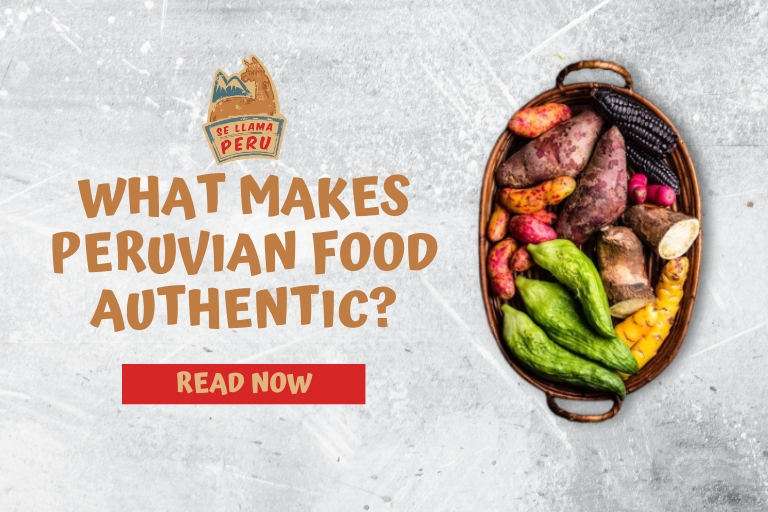
This chili is known for its vibrant color, ranging from bright yellow to deep orange, its slightly sweet flavor with a hint of spiciness, and its fresh, fruity aroma reminiscent of Andean fields. Its versatility in dishes such as ají de gallina (chicken in yellow chili sauce) and ceviche makes it an essential ingredient for adding depth and authenticity to these recipes.
Peruvian Potatoes: Diversity in a Single Ingredient
Potatoes, a gift from Peru to the world, come in over 4,000 varieties. One of the most iconic is the yellow potato, cherished for its creamy texture and slightly sweet taste. This potato is a key ingredient in dishes like causa limeña, where it is combined with ají amarillo, lime, and chicken or tuna to create a traditional appetizer that delights the senses.
Choclo: An Andean Treasure
Peruvian corn, characterized by its large kernels, soft texture, and sweet flavor, is a standout ingredient in Andean cuisine. It is used in dishes such as pastel de choclo (corn pie) or as a side dish for ceviche, complementing the fresh and tangy flavors of the fish.
Geography and Biodiversity: The Foundation of Culinary Variety
The Three Regions of Peru: Coast, Highlands, and Jungle
Each region of Peru contributes its own culinary richness. The coast, with its abundant seafood, brings ceviche to life. The highlands offer hearty dishes like pachamanca, cooked in an earthen oven. Meanwhile, the jungle boasts exotic dishes such as juane, wrapped in bijao leaves.
Biodiversity: Ingredients from Sea and Land
Peru’s unparalleled biodiversity is reflected in its cuisine. Ingredients such as fresh Pacific fish, aromatic jungle herbs, and Andean tubers form the foundation of many iconic dishes.
Recommended products
-

Arroz Chaufa
$16.99 -
Tallarin Saltado
$18.99 -
Lomo Saltado
$18.99 -
Inca Kola
Rango de precios: desde $3.99 hasta $7.99

A Fusion of Cultures: An Unparalleled Blend
Influence of Indigenous Cultures
Pre-Columbian cultures left a strong legacy in Peruvian cuisine, from the domestication of potatoes to techniques like cooking in clay ovens.
Contributions of Migrations
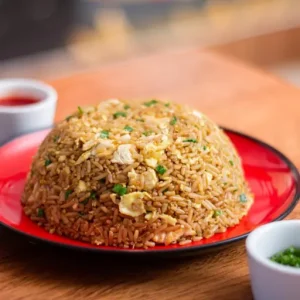
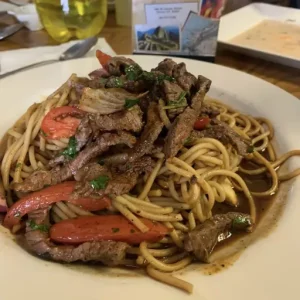
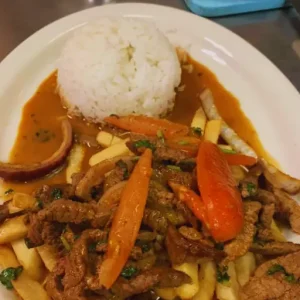
Spanish, African, Chinese, and Japanese influences intertwine in Peruvian gastronomy. Dishes like lomo saltado (stir-fried beef) and arroz chaufa (Peruvian-Chinese fried rice) clearly showcase this fusion, combining local ingredients with international techniques and flavors.
Ancient Heritage and Modern Cuisine
Ancestral Traditions: The Basis of Authenticity
The authenticity of Peruvian cuisine is preserved through traditional techniques such as pachamanca and recipes passed down through generations.
Innovation in Peruvian Gastronomy
Contemporary chefs reinterpret Peruvian classics, elevating dishes like ceviche and causa to gourmet levels. This blend of tradition and innovation has positioned Peru as a global culinary reference.

“Cooking is not just about making food; it’s about sharing a piece of culture, tradition, and love with every dish we create.“
Authentic Recipes: From the Restaurant to Your Table
Connection to Our Signature Dishes
At “Se Llama Peru,” you can enjoy authentic dishes like lomo saltado, ceviche, and pollo a la brasa. Each tells a story of tradition and flavor.
Key Ingredients Available at the Restaurant
In addition to enjoying these dishes at the restaurant, you can purchase essential ingredients such as ají amarillo and Peruvian potatoes to recreate these recipes at home.
Peruvian Cuisine Around the World
International Recognition
Peruvian cuisine has garnered awards and accolades, solidifying its place as one of the world’s most celebrated culinary traditions. Lima hosts several of the planet’s top restaurants.
Peruvian Restaurants Abroad
From New York to Tokyo, Peruvian restaurants have brought the flavors of Peru to every corner of the globe, adapting while staying true to their essence.
Inspiring Stories: Luis Rodriguez and “Se Llama Peru”
The Journey of Luis Rodriguez
Luis Rodriguez, chef and owner of “Se Llama Peru,” transformed downtown Provo into a culinary destination capturing the flavors of Peru. His journey began nearly 50 years ago in the United States, overcoming initial challenges like the lack of a culinary degree. With determination, he earned his degree in culinary arts at Utah Valley University.
Se Llama Peru: More Than a Restaurant
“Se Llama Peru” offers a complete experience, not only with dishes like lomo saltado and ceviche but also with a welcoming atmosphere filled with murals representing Peruvian culture.
Expansion and Future Dreams
Luis Rodriguez plans to expand his restaurant to new cities, such as Park City, with the dream of sharing Peruvian flavors with more people.
Peruvian cuisine reflects its history, diversity, and creativity. Each dish is a sensory journey inviting you to explore the secrets of its cultural richness.
Ceviche, with its fresh and unique flavor, is considered the flagship dish.
Specialty stores and international supermarkets often stock ingredients like ají amarillo and Peruvian potatoes.
Nikkei cuisine introduced innovations like tiradito and sushi rolls with Peruvian flavors.
Its large size, soft texture, and sweet flavor make it unique.
Because of its unique geography, cultural history, and the blend of indigenous and foreign influences.