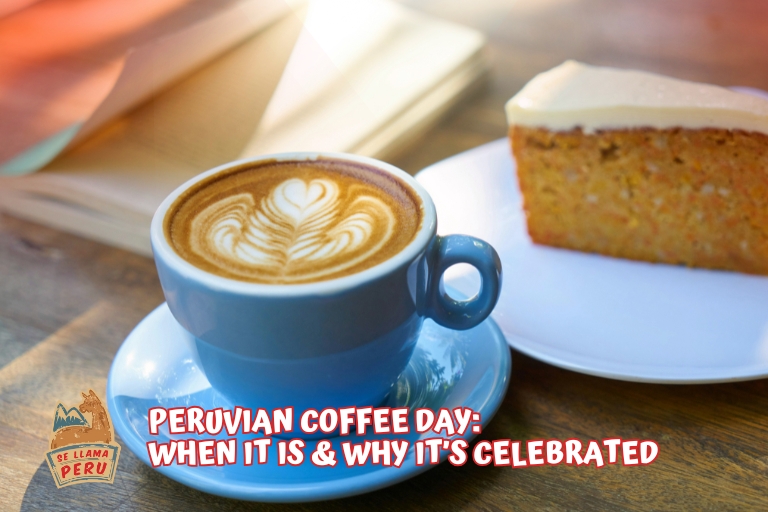
The Peruvian Coffee Day is a special occasion that every coffee lover eagerly anticipates. Observed annually on the fourth Friday of August, this day honors one of Peru’s most cherished beverages—a country that has earned global recognition for its exceptional coffee quality.
But this day isn’t just an excuse for a great brew—it’s a moment to appreciate the dedication of countless Peruvian coffee farmers, whose hard work and passion bring beloved beans to the world.
In 2025, Peruvian Coffee Day falls on August 22. This date was established by means of Ministerial Resolution N° 602-2016‑MIDAGRI, aiming to highlight coffee’s significance in Peru’s economic, cultural, and culinary life.
Peruvian Coffee Day is an annual observance held on the fourth Friday of August. Its purpose is to recognize the essential role of coffee in Peru’s cultural identity, economy, and gastronomy—and to celebrate the producers who bring premium coffee to tables both locally and abroad.
Peru is renowned for its high-quality coffee, grown across diverse regions shaped by unique geography and climate. Here are some of the most notable coffee-producing areas:
Cajamarca
Located in the northern highlands, Cajamarca yields coffees with bright acidity and vibrant, fruity profiles.
Junín
This central region is a traditional coffee hub—its beans offer a balanced body with chocolate and fruity notes and a pleasant acidity.
San Martín
In the high jungle of northern Peru, San Martín produces organic, fair-trade coffee known for complex fruity and floral flavors.
Cusco
Beyond its tourist fame, Cusco is a key coffee region. Its beans are aromatic with sweet, balanced acidity, often with chocolate and fruit undertones.
Amazonas
This northern jungle region produces coffee with a smooth flavor, medium body, moderate acidity, and notes of fruit and flowers.
Puno
Located in the southeast, particularly in Sandia province, Puno grows high-altitude coffees with a medium to full body, bright acidity, and chocolate and caramel notes.
Huánuco
Situated in the central highlands, Huánuco’s coffee is known for its sweet profile, medium body, and fruity flavors.
Origin shapes flavor. Single-origin coffees—those from one region or farm—offer refined flavor profiles. Peruvian regions like Cajamarca, Cusco, Puno, and Amazonas each produce distinct tastes due to altitude, climate, and farming methods.
Bean Type
Peru produces mainly Arabica beans, which are smoother, sweeter, and more aromatic than Robusta varieties. For a premium coffee experience, pick Arabica.
Roast Level
Light roasts preserve acidity and nuanced flavors; dark roasts offer bold, robust profiles. Choose the roast that aligns with your flavor preference.
Freshness
Check the roast date—consume within 2–4 weeks for optimal flavor. Whole bean coffee, ground just before brewing, ensures maximum freshness.
Brewing Method
Match your coffee to your brewing style. Medium-to-dark roasts suit French press or espresso; lighter roasts are great for drip or pour-over methods.
Experiment
The best coffee is the one you enjoy. Try different origins, roasts, and methods until you discover your perfect match.
Why is Peruvian Coffee Day on the fourth Friday of August?
The fourth Friday of August was chosen by Ministerial Resolution N° 602-2016‑MIDAGRI to spotlight coffee’s significance to Peru’s culture and economy.
Why does Peru celebrate Coffee Day?
To honor the role of coffee in Peru’s gastronomy and support coffee-growing communities that contribute to national pride and economic growth.
Which coffee regions in Peru are best-known?
Major coffee regions include Cajamarca, Junín, San Martín, Cusco, Amazonas, Puno, and Huánuco—each offering unique flavor attributes based on local terroir.
How can I celebrate at home?
Buy single-origin beans, host a tasting, make coffee-inspired recipes, support fair-trade cooperatives, or gift quality Peruvian coffee to loved ones.
How do I pick the best coffee beans?
Look for: single-origin Arabica from recognized regions; roast date under four weeks; roast level and brewing method that suits your flavor preferences; freshness and aroma.
Celebrate with Se Llama Perú
🥘 Visit us at Se Llama Perú — Come to 368 W Center St, Provo, UT 84601 and honor Peruvian coffee culture by pairing your brew with our authentic flavors.
📱 Follow us on social media — Discover why we are known for THE BEST Peruvian Food in Salt Lake City. Join our #SeLlamaPeru community and share your coffee moments!
📚 Explore our blog — Dive into more articles about culture, food, and celebration. Let Peruvian coffee and tradition guide your journey!
Se Llama Perú
The story of Se Llama Peru begins with its chef and owner, Luis Rodriguez. Rodriguez, born in Peru, followed the call of love to the United States nearly 50 years ago. He landed in Utah, where he faced initial challenges in his search for job opportunities, including rejection from Marriott due to lack of a college degree.
The story of Se Llama Peru begins with its chef and owner, Luis Rodriguez. Rodriguez, born in Peru, followed the call of love to the United States nearly 50 years ago. He landed in Utah, where he faced initial challenges in his search for job opportunities, including rejection from Marriott due to lack of a college degree.
Trustindex verifies that the original source of the review is Google.
Food was incredible and the service even better! Will definitely come back 👌
Posted on
Caroline Sine
15 April 2026
Trustindex verifies that the original source of the review is Google.
fabulous restaurant!!! the waiter was so friendly and giving. the food was delicious. we had such a good time. will definitely be going back again.
Posted on
claira sine
15 April 2026
Trustindex verifies that the original source of the review is Google.
Super delicious!!
Posted on
Lucero valdivia paredes
7 April 2026
Trustindex verifies that the original source of the review is Google.
La comida es deliciosa, la atención perfecta 🤩
Posted on
Rosa Liliana Paredes Salinas
7 April 2026
Trustindex verifies that the original source of the review is Google.
La comida como en casa riquísimo .
Posted on
Heather Oxborrow
29 March 2026
Trustindex verifies that the original source of the review is Google.
The food was amazing and great service. The music was fun just pretty loud. We ordered family style and enjoyed it everything! We also got some inca cola - a must with Peruvian food. Great experience and look forward to coming again.
Posted on
Ashley Jefferies
28 March 2026
Trustindex verifies that the original source of the review is Google.
Authentic Peruvian food!! So good and took me right back... Everything has been good but we've particularly loved the ceviche!
Posted on
Joseph Hurtado
18 March 2026
Trustindex verifies that the original source of the review is Google.
Excellent Peruvian food, very authentic and they do a great job!
Trustindex verifies that the original source of the review is Google.
Food was incredible and the service even better! Will definitely come back 👌
Posted on
Caroline Sine
15 April 2026
Trustindex verifies that the original source of the review is Google.
fabulous restaurant!!! the waiter was so friendly and giving. the food was delicious. we had such a good time. will definitely be going back again.
Posted on
claira sine
15 April 2026
Trustindex verifies that the original source of the review is Google.
Super delicious!!
Posted on
Lucero valdivia paredes
7 April 2026
Trustindex verifies that the original source of the review is Google.
La comida es deliciosa, la atención perfecta 🤩
Posted on
Rosa Liliana Paredes Salinas
7 April 2026
Trustindex verifies that the original source of the review is Google.
La comida como en casa riquísimo .
Posted on
Heather Oxborrow
29 March 2026
Trustindex verifies that the original source of the review is Google.
The food was amazing and great service. The music was fun just pretty loud. We ordered family style and enjoyed it everything! We also got some inca cola - a must with Peruvian food. Great experience and look forward to coming again.
Posted on
Ashley Jefferies
28 March 2026
Trustindex verifies that the original source of the review is Google.
Authentic Peruvian food!! So good and took me right back... Everything has been good but we've particularly loved the ceviche!
Posted on
Joseph Hurtado
18 March 2026
Trustindex verifies that the original source of the review is Google.
Excellent Peruvian food, very authentic and they do a great job!
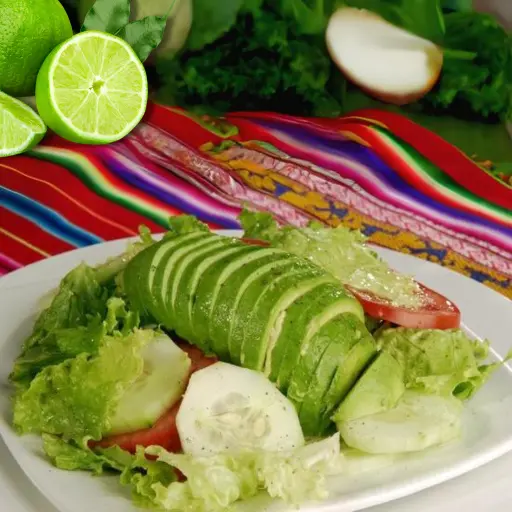
Fresh Lettuce and Tomato Salad takes the classic salad experience to new heights.
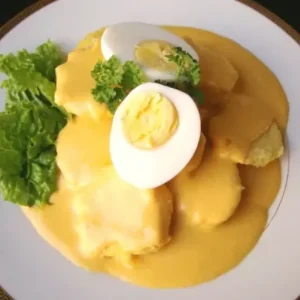
Papa a la Huancaina
$10.99
Tender boiled potatoes are elevated to new heights with a velvety feta cheese sauce infused with Huancaina spice.
Anticuchos
$12.99
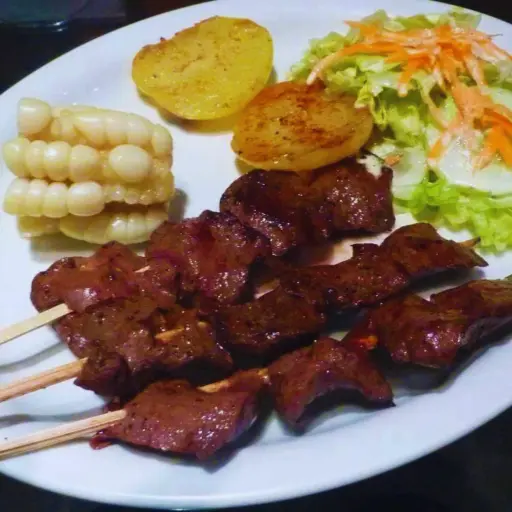
Experience the bold flavors of Peru. Tender beef heart, marinated to perfection in a blend of spices.
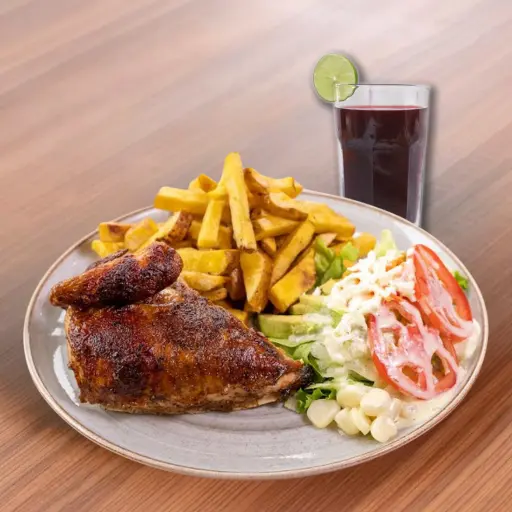
Pollo 1/4 a la brasa
$14.99
Indulge in the perfection of our 1/4 Rotisserie Chicken at Se Llama Perú.
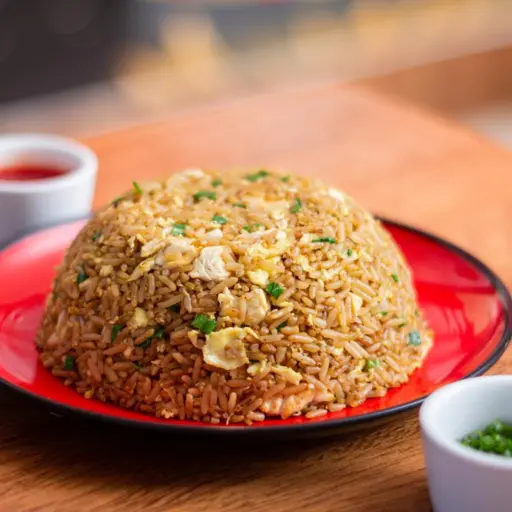
Arroz Chaufa
$16.99
Embark on a flavorful journey with our Arroz Chaufa at Se Llama Perú.
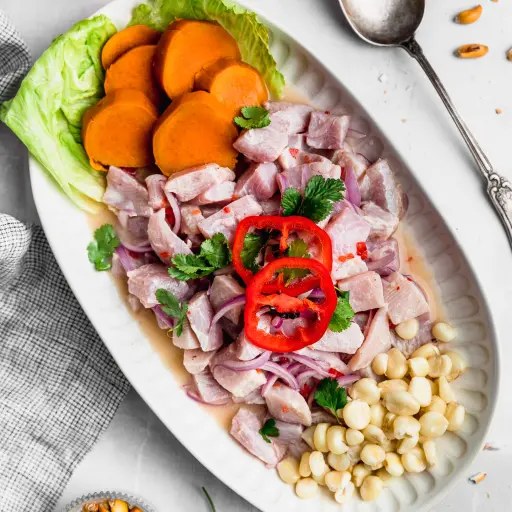
Ceviche
$18.99
Experience the refreshing burst of flavors with our Ceviche at Se Llama Perú.
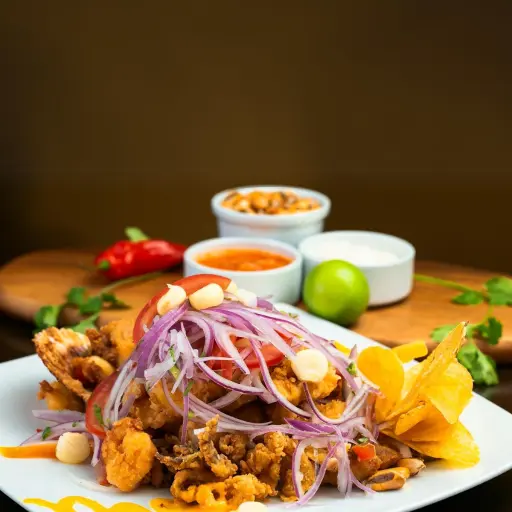
Jalea
$21.00
Delight in a crispy seafood symphony with our Jalea at Se Llama Perú.
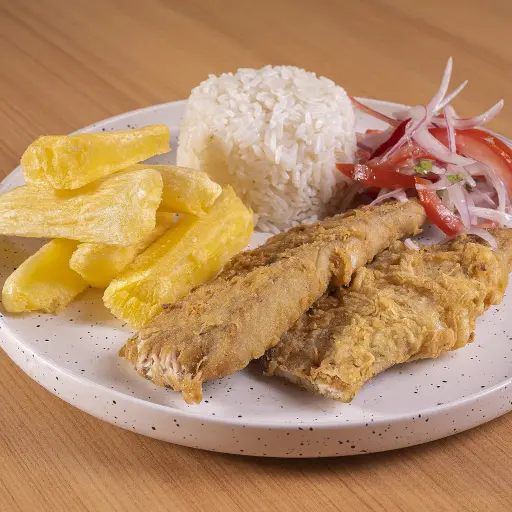
Pescado Frito
$18.99
Savor the simplicity of our Breaded Fried Fish at Se Llama Perú.
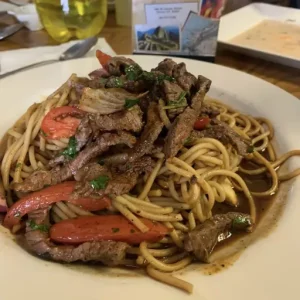
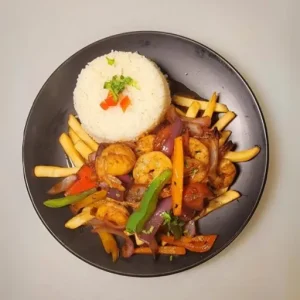
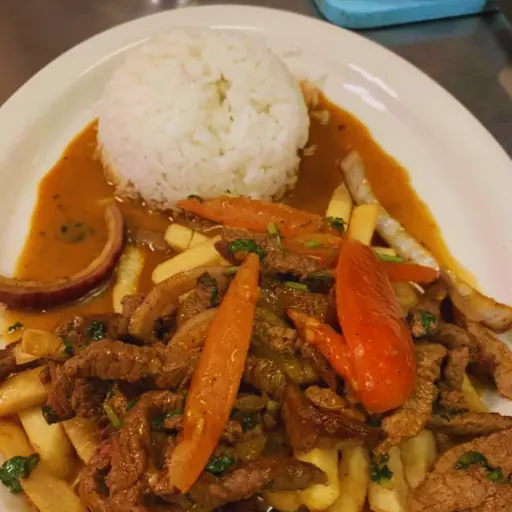
Lomo Saltado
$18.99
Succulent strips of steak expertly stir-fried with onions, tomatoes, and special seasonings.
Tallarin Verde
$20.99
Linguini lovingly sautéed in a creamy pesto sauce, creating a harmonious blend of herbs and cheese.
Ensalada de Lechuga y Tomate
$12.99
Fresh Lettuce and Tomato Salad takes the classic salad experience to new heights.
Papa a la Huancaina
$10.99
Tender boiled potatoes are elevated to new heights with a velvety feta cheese sauce infused with Huancaina spice.
Anticuchos
$12.99
Experience the bold flavors of Peru. Tender beef heart, marinated to perfection in a blend of spices.
Pollo 1/4 a la brasa
$14.99
Indulge in the perfection of our 1/4 Rotisserie Chicken at Se Llama Perú.
Arroz Chaufa
$16.99
Embark on a flavorful journey with our Arroz Chaufa at Se Llama Perú.
Ceviche
$18.99
Experience the refreshing burst of flavors with our Ceviche at Se Llama Perú.
Jalea
$21.00
Delight in a crispy seafood symphony with our Jalea at Se Llama Perú.
Pescado Frito
$18.99
Savor the simplicity of our Breaded Fried Fish at Se Llama Perú.
Lomo Saltado
$18.99
Succulent strips of steak expertly stir-fried with onions, tomatoes, and special seasonings.
Tallarin Verde
$20.99
Linguini lovingly sautéed in a creamy pesto sauce, creating a harmonious blend of herbs and cheese.
Welcome to Our Home
Behind our iconic sign in Downtown Provo lies a piece of the Andes. Since 2000, we have been welcoming the Utah community to experience the true warmth of Peruvian hospitality. Press play to take a quick tour of our dining room, feel the vibrant atmosphere, and see where Chef Luis creates his magic