The Peruvian National Anthem: 200 Years of History We Celebrate at Se Llama Peru
Table of Contents
A bicentennial is more than just a date—it’s a chance to reflect on the moments that shaped our identity. In September 1821, one of Peru’s most iconic patriotic symbols was born: the National Anthem of Peru. Today, at Se Llama Peru in Provo, Utah, we honor that legacy by blending history with gastronomy in a celebration rich with flavor and pride.
Origins and First Performance (1821)
The Contest Launched by San Martín
On August 7, 1821, José de San Martín launched a public contest to create a “National March” for the new Republic. Composer José Bernardo Alcedo won the contest, setting music to the patriotic lyrics written by poet José de la Torre Ugarte.
Rosa Merino’s Debut Performance
On September 23, 1821—though some sources suggest alternative dates—soprano Rosa Merino first performed the anthem during the handover of Real Felipe fortress to the patriots.
Patriotic Atmosphere and Celebrations
The anthem quickly became a staple at patriotic events, including the Order of the Sun ceremony in December 1821, and was even sung by school children on Sundays in Lima.
“Just as our anthem echoes 200 years of Peruvian pride, every dish at Se Llama Peru sings the story of a nation through flavor.“
Around 1825, a non-official verse emerged spontaneously, widely embraced by the public and sung during major conflicts despite not being part of the original lyrics by De la Torre Ugarte.
Official Edits and Legal Recognition
In 1913, Law 1801 declared the anthem’s lyrics and music intangible, yet included the apocryphal stanza in the official version. Later reforms—including the 2005 ruling by Peru’s Constitutional Court—restored several original stanzas and recognized a version with seven total verses.
The Anthem in Peru’s Bicentennial
In 2021, Peru celebrated 200 years since the anthem’s first performance. Though the exact date of its debut is debated, the anthem remains a living symbol of national unity and cultural pride.
The Anthem and Gastronomy: A Cultural Link at Se Llama Peru
Much like the anthem, Peruvian cuisine is a unifying force. At Se Llama Peru, we serve traditional dishes that embody our shared heritage. Join us for Antojitos peruanos and feel the spirit of Contigo Peru—a true Casa Peru experience in Provo.
We proudly compete with great options like Wild Peru and Nazca Grill: Best Peruvian food in American Fork, UT, but the heart of Peru is found right here at Se Llama Peru.
Our Menu: A Symphony of Patriotic Flavors
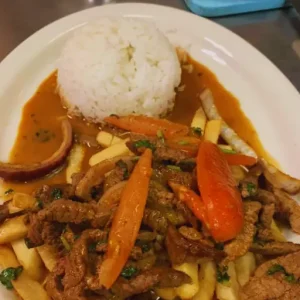
Lomo Saltado – Criollo Pride
Beef strips sautéed with onions, tomatoes, and fries, served with rice. A customer favorite that’s practically licked clean!
Ají de Gallina – Historic Fusion
Shredded chicken in creamy yellow pepper sauce, served with boiled egg and potatoes—a colonial-era classic that melts in your mouth.
Papa a la Huancaína – Andean Tradition
Sliced potatoes topped with a chilled cheese and pepper sauce—a refreshing tribute to the highlands of Peru.
Visit us at Se Llama Peru, 368 W Center St, Provo, UT 84601 and celebrate history and flavor with us today!
Since its first performance in 1821, the Peruvian National Anthem has endured revisions, debates, and reinterpretations. But at Se Llama Peru, we honor its essence by pairing history with authentic cuisine. Come taste the heart of Peru through our most cherished dishes.
We’re waiting for you at Se Llama Peru to celebrate Peruvian heritage with every bite!
Frequently Asked Questions (FAQs)
When was the Peruvian National Anthem first performed?
The anthem was first performed on September 23, 1821, by soprano Rosa Merino, although some historical sources debate the exact date.
Who composed the Peruvian National Anthem?
The music was composed by José Bernardo Alcedo, and the lyrics were written by José de la Torre Ugarte after winning a contest organized by José de San Martín.
What is the “apocryphal verse” of the anthem and why is it controversial?
The apocryphal verse, starting with “Largo tiempo el peruano oprimido,” was not part of the original lyrics but gained popularity and was later included in the official version due to public sentiment.
How many stanzas does the Peruvian National Anthem officially have?
As of a 2005 Constitutional Court ruling, the anthem has seven stanzas plus the chorus. However, only the chorus and one stanza are typically sung in official ceremonies.
How does Se Llama Peru honor the anthem’s legacy?
At Se Llama Peru in Provo, Utah, we celebrate Peruvian cultural identity by pairing historical milestones—like the national anthem’s bicentennial—with authentic dishes such as lomo saltado, ají de gallina, and papa a la huancaína.