Why the Escarapela Is Worn During July in Peru: Meaning, History, and Cultural Pride
Table of Contents
Honoring Peruvian Tradition, One Escarapela at a Time
July is a month of vibrant pride for Peruvians around the world. One of the most cherished symbols seen across schools, homes, and communities during this time is the escarapela—a red and white cockade worn over the heart. In Provo, Utah, Se Llama Peru honors this tradition not just through food, but by bringing the heart of Peru to every table. Whether you’re craving antojitos peruanos or a cultural deep dive into Peruvian history, we invite you to celebrate with us—escapelara and all.
What Is the Escarapela and Why Do Peruvians Wear It in July?
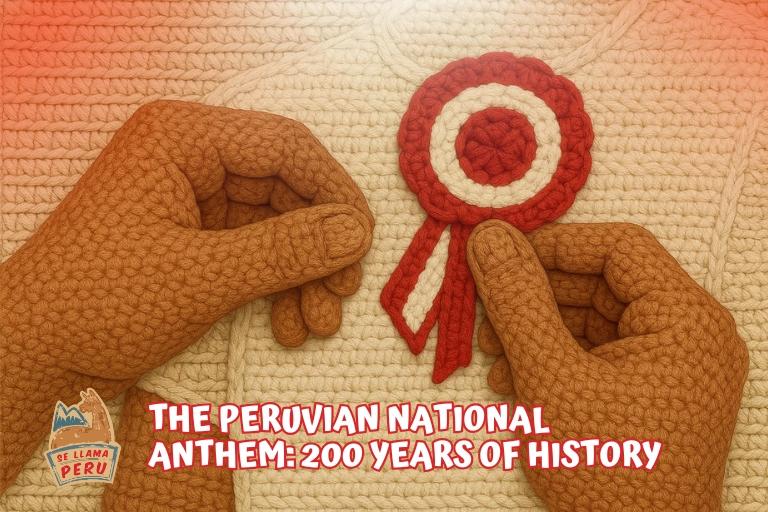
The escarapela is a patriotic badge composed of ribbon rosettes in Peru’s national colors—red, white, and red. It’s worn proudly during Fiestas Patrias, particularly on July 28, Peru’s Independence Day.
Although it’s not an official national symbol under the 1993 Peruvian Constitution, for most Peruvians, the escarapela holds deep emotional and cultural meaning. It’s a non-mandatory yet unifying emblem of identity, rooted in historical patriotism and carried forward through generations.
Historical Origins: From Military Symbol to Cultural Emblem
The story of the escarapela dates back to October 21, 1820, when José de San Martín declared it an official emblem for soldiers fighting for Peru’s liberation. Later, on February 25, 1825, Simón Bolívar endorsed its national colors and design via decree, aligning it with the national flag.
Though removed from the list of official symbols in the 1979 Constitution, the escarapela remains a living tradition. It is prominently featured during civic events and ceremonies, especially in schools, government institutions, and parades.
How Peruvians Wear the Escarapela in July
Traditionally, the escarapela is worn on the left side of the chest, near the heart—a symbolic location representing love for the homeland. The badge is made of ribbon, fabric, metal, or plastic, and it is often given to children at schools or included in patriotic gift packs.
Whether it’s a handmade creation or a store-bought pin, wearing an escarapela in July is a quiet but proud act of national unity and remembrance.
Heartfelt Phrases Used During Fiestas Patrias
To accompany the escarapela, many Peruvians express their patriotism with traditional sayings, such as:
“My land is fertile, majestic, and generous… I salute my homeland every July 28 with pride.”
“I kiss my flag with emotion, for it symbolizes the place where I was born and where I am happiest.”
“Happy Independence Day to all who carry Peru in their hearts!”
These expressions underscore the escarapela’s role in cultural celebration and emotional identity.
“The escarapela may not be constitutionally recognized, but it speaks directly to the heart. Simple, heartfelt, and steeped in tradition, it remains a timeless expression of Peruvian love for the homeland. Each July, when we pin it on, we honor the valor of our ancestors and declare our shared identity—one ribbon at a time.“
Se Llama Peru Brings the Escarapela Spirit to Utah
At Se Llama Peru, we’re more than just THE BEST Peruvian Food in Salt Lake City—we’re a cultural sanctuary for the Peruvian community and fans of global cuisine. Every July, our restaurant embraces this iconic tradition with authentic Peruvian dishes, music, and themed décor centered around the escarapela.
We invite our guests to wear their escarapela when they visit and share their photos with us on social media using the tag #ContigoPeru.
Celebrate the Season With Our Patriotic Menu
In honor of Fiestas Patrias, we’ve curated special dishes inspired by Peru’s national flavors. Check out:
“July Tastes Like Home: Discover These 3 Traditional Peruvian Dishes” 👉 Read more
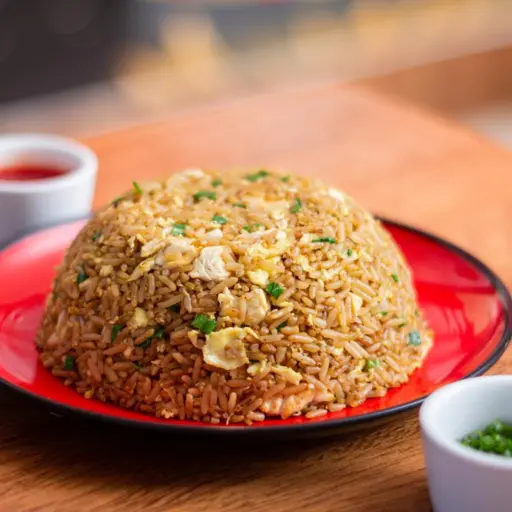
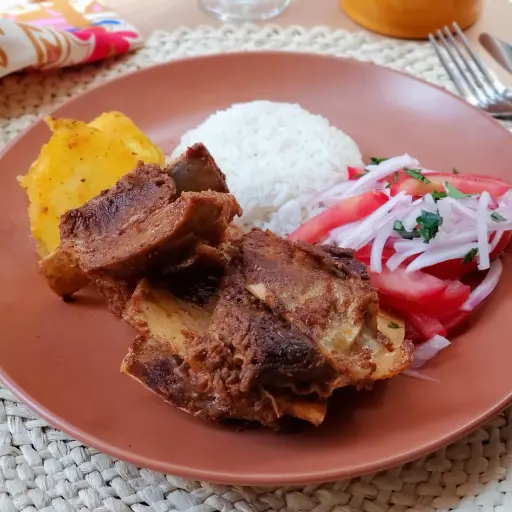
Our July menu includes beloved classics like Aji de Gallina, Ceviche, and Lomo Saltado, perfect for celebrating with your escarapela over your heart and a full plate on the table.
Beyond Escarapelas: Keeping Peruvian Pride Alive in Utah
While we take pride in the escarapela, we also support our broader Peruvian heritage across the Beehive State. For those looking to explore more flavors, check out other restaurants de comida peruana en Salt Lake City, like Nazca Grill: Best Peruvian food in American Fork, UT or Casa Peru.
Prefer dining at home? You can Order Authentic Peruvian Online right from our website and enjoy the true taste of Peru delivered to your door.
The escarapela is more than a decorative ribbon—it’s a badge of honor, a tribute to ancestors, and a symbol of enduring national pride. At Se Llama Peru, we’re proud to represent that spirit in every dish, every song, and every celebration we host.
So this July, wear your escarapela proudly and come experience the heart of Peru right here in Utah.
FAQs About the Escarapela
Is the escarapela an official national symbol of Peru?
No. Although widely used and culturally significant, the escarapela is not officially recognized as a national symbol under Peru’s 1993 Constitution, which only includes the flag, the coat of arms, and the national anthem.
Who introduced the escarapela and when?
It was introduced by liberator José de San Martín in 1820 as a patriotic emblem. Later, in 1825, Simón Bolívar formalized its design by decree, alongside Minister Hipólito Unanue.
What colors does the escarapela have and what do they represent?
The escarapela features alternating white and red stripes, reflecting the Peruvian flag. White symbolizes peace, while red represents the blood shed for independence.
Where should the escarapela be worn?
It is traditionally worn on the left side of the chest, over the heart, to signify patriotic pride and emotional connection to the homeland.
Why is the escarapela mainly used in July?
Because July marks Peru’s Independence Day celebrations, wearing the escarapela during this month expresses unity, national pride, and a shared historical identity.
$3.99-$7.99Rango de precios: desde $3.99 hasta $7.99
With its distinctive golden yellow color and irresistibly sweet flavor, Inca Kola is a beloved beverage that captures the essence of Peruvian culture. Made primarily with lemon verbena, each sip of this delicious drink is a refreshing burst of flavor that is sure to brighten your day.
The story of Se Llama Peru begins with its chef and owner, Luis Rodriguez. Rodriguez, born in Peru, followed the call of love to the United States nearly 50 years ago. He landed in Utah, where he faced initial challenges in his search for job opportunities, including rejection from Marriott due to lack of a college degree.