The Epiphany, known in Peru as «Bajada de Reyes,» is a heartfelt celebration of faith, tradition, and culinary delights that unites families across the country. Each region of Peru brings its unique customs to this holiday, yet the shared spirit of the day resonates nationwide. From religious processions to the preparation of treats like Peruvian panettone and hot chocolate, this celebration embodies the rich cultural diversity and warmth of Peru.
The Meaning of the Epiphany in Peru
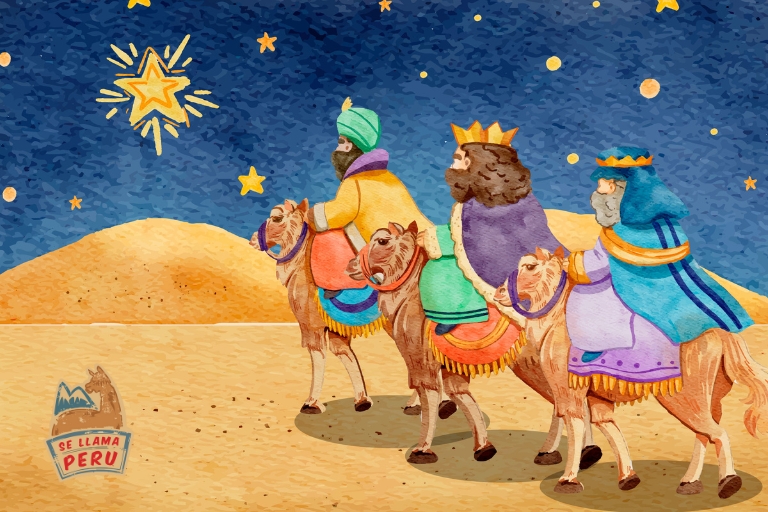
Celebrated on January 6, the Epiphany commemorates the arrival of the Three Wise Men — Melchior, Caspar, and Balthazar — to pay homage to the baby Jesus. In Peru, this day goes beyond religious services and processions, marking the traditional dismantling of nativity scenes, the central symbol of Christmas.
Families gather to share stories, reflect, and joyfully close the Christmas season. In Andean regions like Cusco and Ayacucho, nativity scenes are works of art, incorporating local elements such as alpacas, farmers, and mountain landscapes.
Religious Traditions: From Faith to Festivity
In Peruvian churches, the «descent of the Three Wise Men» is a key ceremony. Statues of the Wise Men are carried in processions accompanied by hymns and prayers. In some villages, enactments of the Wise Men’s adoration of the Christ child blend Christian faith with local traditions.
In many regions, the Epiphany also signifies the end of Christmas «posadas» and community celebrations, where traditional music and dances take center stage. It’s a day to strengthen family and community bonds through traditions and flavors.
Flavors of the Epiphany: Panettone and Hot Chocolate
No Peruvian Epiphany celebration is complete without the traditional panettone served alongside steaming hot chocolate. While panettone has Italian roots, it has become a national symbol in Peru, adored for its fragrant candied fruit and soft, airy texture.
Peruvian hot chocolate, made from locally sourced cacao, adds a special touch to family gatherings. Its rich, creamy taste, often spiced with cinnamon or cloves and sweetened to taste, is a cherished tradition even in warmer climates.
Curious Facts: Regional Celebrations Across Peru
- In the southern highlands, communities incorporate traditional dances like the «chamiza» into their Epiphany celebrations.
- In the Amazon region, nativity scenes feature wooden carvings adorned with natural jungle elements.
- In Lima, many families host special dinners and gatherings to end the Christmas season with a toast and collective prayer.
-

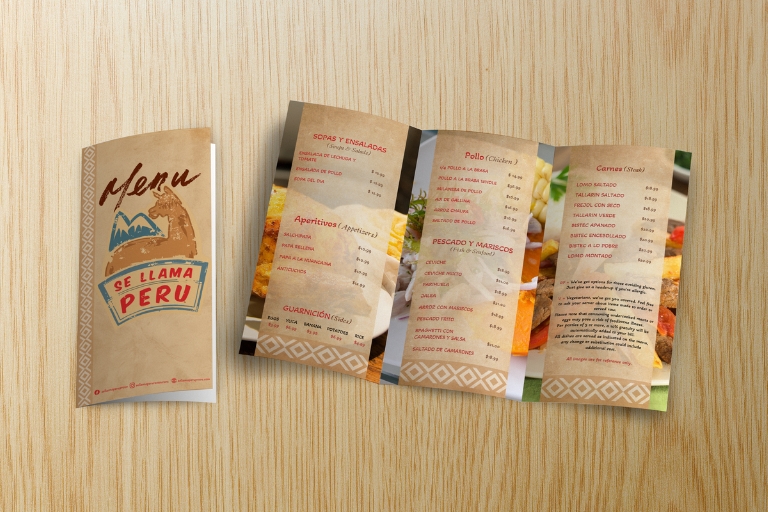
Crema volteada
$0.00 -
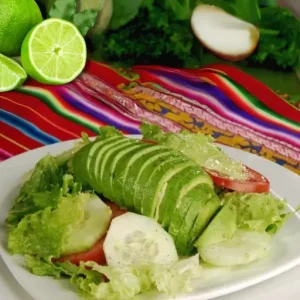
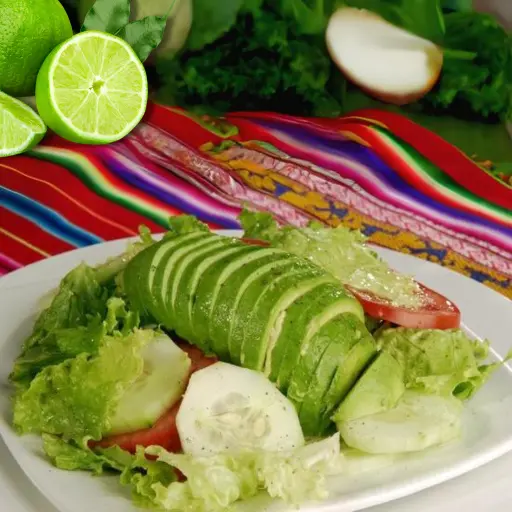
Ensalada de Lechuga y Tomate
$12.99 -

Ensalada de Pollo
$12.99
A Nostalgic Touch for Peruvians in Utah
For Peruvians living in Utah, the Epiphany offers a chance to reconnect with their heritage and share traditions with new generations. Despite being far from home, preparing panettone and hot chocolate brings back fond memories of family gatherings and unity.
Cultural centers and Peruvian communities in Utah often organize events for this occasion, including religious ceremonies, storytelling, and the enjoyment of traditional dishes. Carrying Peruvian traditions abroad not only strengthens cultural identity but also shares the richness of Peruvian heritage with the world.
The Epiphany is a celebration that blends faith, culture, and Peruvian gastronomy. It’s a day that highlights the importance of family, traditions, and flavors that bring people together. Whether in Peru or anywhere around the globe, celebrating this day with freshly baked panettone and a cup of hot chocolate keeps our customs alive and allows us to share them with those around us.