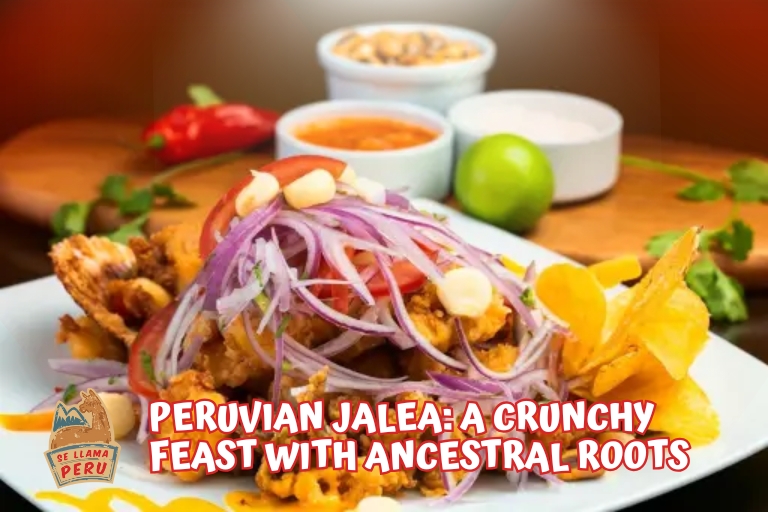
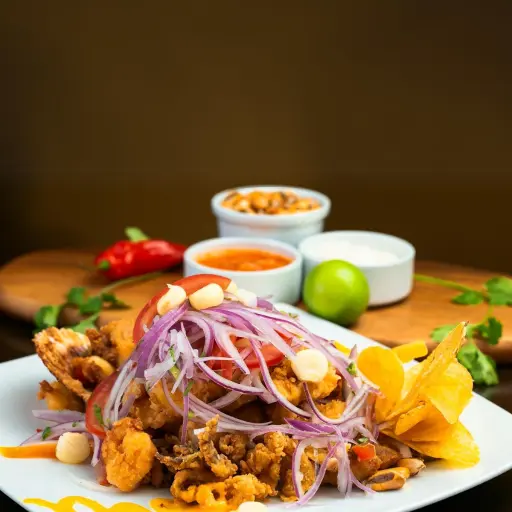
Jalea is one of the most iconic dishes in Peruvian cuisine, combining the freshness of the sea with a crunchy and flavorful preparation. This delicacy has its roots in ancient pre-Columbian cultures and has evolved over the centuries, reflecting Peru’s rich culinary and cultural heritage.
Origin and History of Jalea
The history of jalea dates back to the Mochica culture, which flourished along the northern coast of Peru between the 1st and 8th centuries AD. The Mochicas developed a technique for preserving fish by cutting it into long pieces and drying it in the sun. Once dehydrated, the fish was cooked over hot coals and served with seasonings and boiled yuca. (Wikipedia)
In the 19th century, the preparation of jalea underwent significant changes. In the picanterías (traditional eateries) of the time, pieces of fish were grilled and served with a sauce made of onions, chili, sweet potatoes, and boiled corn, all drizzled with lime or sour orange juice. Today’s recipe differs in that the fish is cut into smaller pieces and fried, giving it the characteristic crunchy texture of jalea. (Wikipedia)
Varieties of Jalea
Depending on the ingredients used, jalea can be classified into the following types:
Fish Jalea: Made exclusively with white fish.
Seafood Jalea: Made with a variety of seafood such as squid, octopus, and shrimp.
Mixed Jalea: Combines both fish and seafood, offering a variety of flavors and textures.
Each variant reflects the rich marine resources of Peru and the culinary creativity of its coastal regions. (Perú.info)
Jalea is a clear example of the fusion of culinary traditions and ancient preservation techniques. Its evolution from a preservation method to a festive dish shows the adaptability and richness of Peruvian cuisine. Today, jalea is a symbol of cultural identity in northern Peru, especially in regions like Lambayeque and Piura, where the Day of Jalea is celebrated every June 24.
This dish not only satisfies the palate but also tells a story of tradition, innovation, and cultural pride that continues to delight locals and visitors alike.
Reflection by Chef Luis Rodríguez
“Every bite of jalea is an immersion into our maritime history, where tradition and flavor intertwine to offer a feast that honors the roots of Peru.“
Jalea is not only a treat for the taste buds but also a reflection of Peru’s rich history and traditions. Every spoonful takes us to the Peruvian coast, celebrating the culinary heritage that defines this nation.
What is the origin of Peruvian jalea?
Jalea has its roots in the Mochica culture, which inhabited the northern coast of Peru between the 1st and 8th centuries AD. The Mochicas used sun-dried fish, which they then cooked over hot coals.
How is jalea different from other seafood dishes?
Unlike soups or stews, jalea is characterized by its crispy preparation, as the ingredients are fried and served with a fresh, spicy sauce.
What are the most common varieties of jalea?
The three main varieties of jalea are fish jalea, seafood jalea, and mixed jalea, which combines both fish and seafood.
Is jalea exclusive to the northern region of Peru?
While jalea is more popular in the northern coast, especially in Lambayeque and Piura, its flavors and preparation have spread to other regions of Peru and are widely enjoyed.
What makes jalea such a special dish?
The combination of fresh fish and seafood with the frying technique, along with a fresh onion, rocoto chili, and lime sauce, makes jalea a crunchy feast that is both savory and refreshing.
Se Llama Perú
The story of Se Llama Peru begins with its chef and owner, Luis Rodriguez. Rodriguez, born in Peru, followed the call of love to the United States nearly 50 years ago. He landed in Utah, where he faced initial challenges in his search for job opportunities, including rejection from Marriott due to lack of a college degree.
The story of Se Llama Peru begins with its chef and owner, Luis Rodriguez. Rodriguez, born in Peru, followed the call of love to the United States nearly 50 years ago. He landed in Utah, where he faced initial challenges in his search for job opportunities, including rejection from Marriott due to lack of a college degree.
Trustindex verifies that the original source of the review is Google.
Food was incredible and the service even better! Will definitely come back 👌
Posted on
Caroline Sine
15 April 2026
Trustindex verifies that the original source of the review is Google.
fabulous restaurant!!! the waiter was so friendly and giving. the food was delicious. we had such a good time. will definitely be going back again.
Posted on
claira sine
15 April 2026
Trustindex verifies that the original source of the review is Google.
Super delicious!!
Posted on
Lucero valdivia paredes
7 April 2026
Trustindex verifies that the original source of the review is Google.
La comida es deliciosa, la atención perfecta 🤩
Posted on
Rosa Liliana Paredes Salinas
7 April 2026
Trustindex verifies that the original source of the review is Google.
La comida como en casa riquísimo .
Posted on
Heather Oxborrow
29 March 2026
Trustindex verifies that the original source of the review is Google.
The food was amazing and great service. The music was fun just pretty loud. We ordered family style and enjoyed it everything! We also got some inca cola - a must with Peruvian food. Great experience and look forward to coming again.
Posted on
Ashley Jefferies
28 March 2026
Trustindex verifies that the original source of the review is Google.
Authentic Peruvian food!! So good and took me right back... Everything has been good but we've particularly loved the ceviche!
Posted on
Joseph Hurtado
18 March 2026
Trustindex verifies that the original source of the review is Google.
Excellent Peruvian food, very authentic and they do a great job!
Trustindex verifies that the original source of the review is Google.
Food was incredible and the service even better! Will definitely come back 👌
Posted on
Caroline Sine
15 April 2026
Trustindex verifies that the original source of the review is Google.
fabulous restaurant!!! the waiter was so friendly and giving. the food was delicious. we had such a good time. will definitely be going back again.
Posted on
claira sine
15 April 2026
Trustindex verifies that the original source of the review is Google.
Super delicious!!
Posted on
Lucero valdivia paredes
7 April 2026
Trustindex verifies that the original source of the review is Google.
La comida es deliciosa, la atención perfecta 🤩
Posted on
Rosa Liliana Paredes Salinas
7 April 2026
Trustindex verifies that the original source of the review is Google.
La comida como en casa riquísimo .
Posted on
Heather Oxborrow
29 March 2026
Trustindex verifies that the original source of the review is Google.
The food was amazing and great service. The music was fun just pretty loud. We ordered family style and enjoyed it everything! We also got some inca cola - a must with Peruvian food. Great experience and look forward to coming again.
Posted on
Ashley Jefferies
28 March 2026
Trustindex verifies that the original source of the review is Google.
Authentic Peruvian food!! So good and took me right back... Everything has been good but we've particularly loved the ceviche!
Posted on
Joseph Hurtado
18 March 2026
Trustindex verifies that the original source of the review is Google.
Excellent Peruvian food, very authentic and they do a great job!
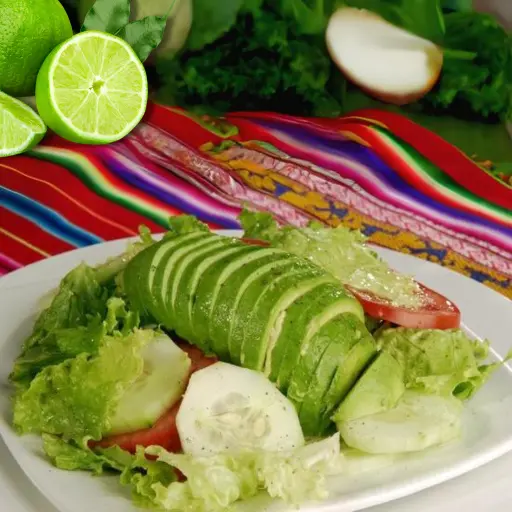
Fresh Lettuce and Tomato Salad takes the classic salad experience to new heights.
Papa a la Huancaina
$10.99
Tender boiled potatoes are elevated to new heights with a velvety feta cheese sauce infused with Huancaina spice.
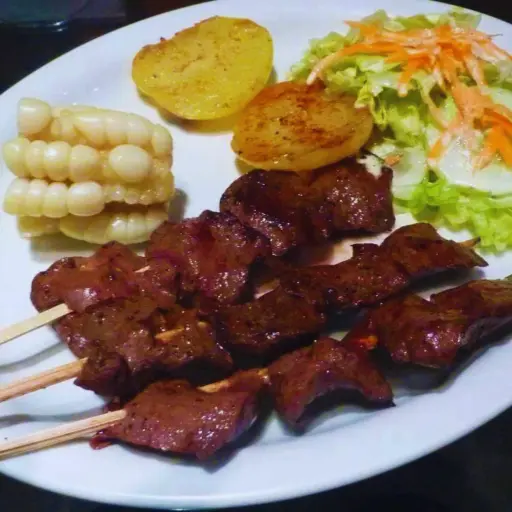
Anticuchos
$12.99
Experience the bold flavors of Peru. Tender beef heart, marinated to perfection in a blend of spices.
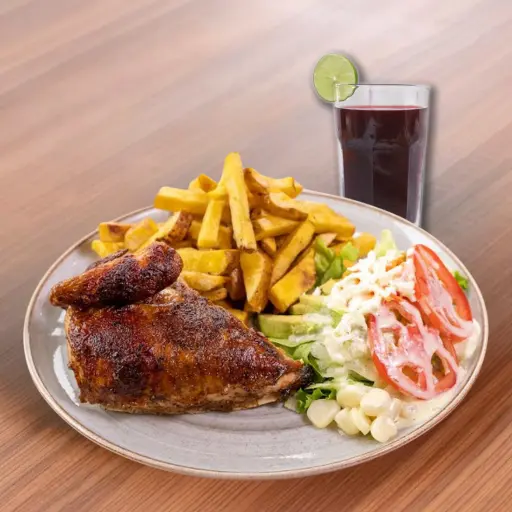
Pollo 1/4 a la brasa
$14.99
Indulge in the perfection of our 1/4 Rotisserie Chicken at Se Llama Perú.
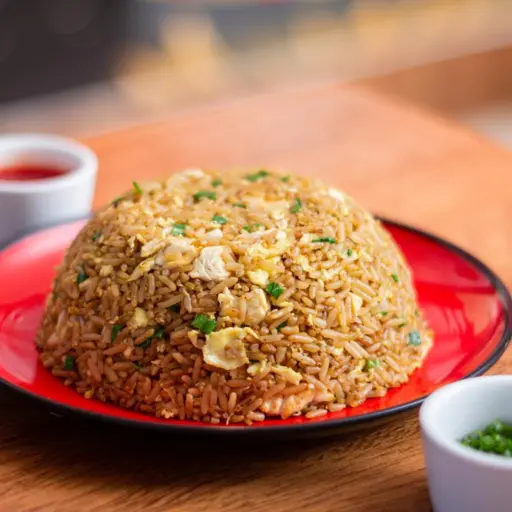
Arroz Chaufa
$16.99
Embark on a flavorful journey with our Arroz Chaufa at Se Llama Perú.
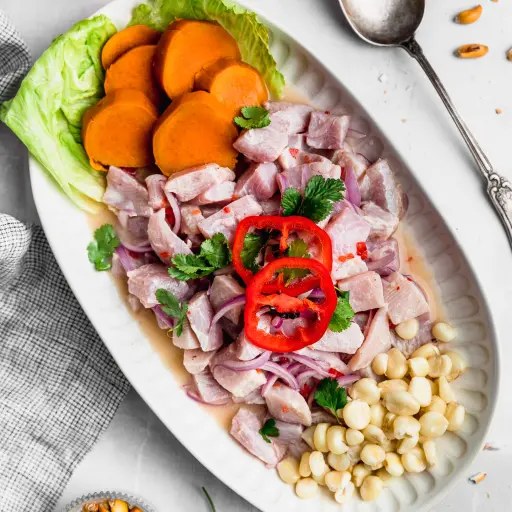
Ceviche
$18.99
Experience the refreshing burst of flavors with our Ceviche at Se Llama Perú.
Jalea
$21.00
Delight in a crispy seafood symphony with our Jalea at Se Llama Perú.
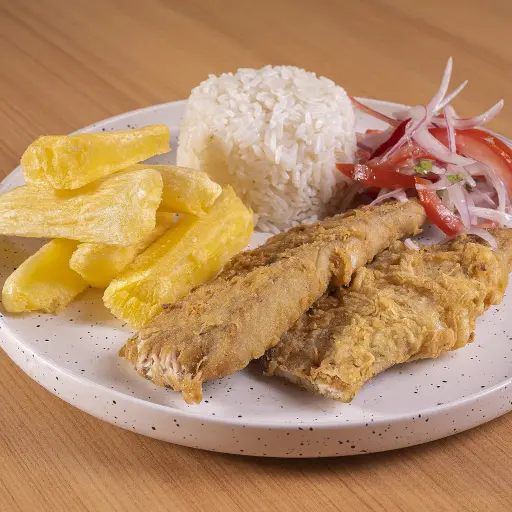
Pescado Frito
$18.99
Savor the simplicity of our Breaded Fried Fish at Se Llama Perú.
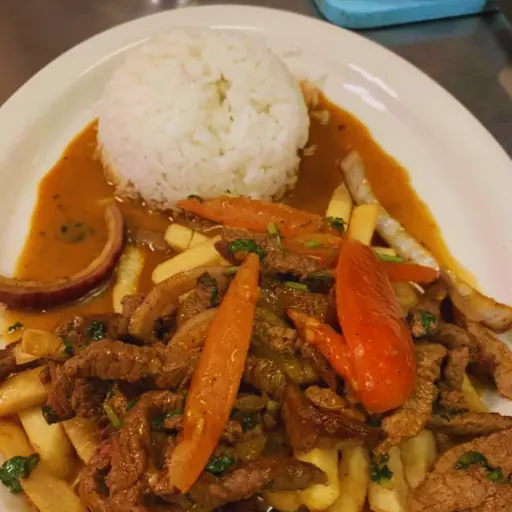
Lomo Saltado
$18.99
Succulent strips of steak expertly stir-fried with onions, tomatoes, and special seasonings.
Tallarin Verde
$20.99
Linguini lovingly sautéed in a creamy pesto sauce, creating a harmonious blend of herbs and cheese.
Ensalada de Lechuga y Tomate
$12.99
Fresh Lettuce and Tomato Salad takes the classic salad experience to new heights.
Papa a la Huancaina
$10.99
Tender boiled potatoes are elevated to new heights with a velvety feta cheese sauce infused with Huancaina spice.
Anticuchos
$12.99
Experience the bold flavors of Peru. Tender beef heart, marinated to perfection in a blend of spices.
Pollo 1/4 a la brasa
$14.99
Indulge in the perfection of our 1/4 Rotisserie Chicken at Se Llama Perú.
Arroz Chaufa
$16.99
Embark on a flavorful journey with our Arroz Chaufa at Se Llama Perú.
Ceviche
$18.99
Experience the refreshing burst of flavors with our Ceviche at Se Llama Perú.
Jalea
$21.00
Delight in a crispy seafood symphony with our Jalea at Se Llama Perú.
Pescado Frito
$18.99
Savor the simplicity of our Breaded Fried Fish at Se Llama Perú.
Lomo Saltado
$18.99
Succulent strips of steak expertly stir-fried with onions, tomatoes, and special seasonings.
Tallarin Verde
$20.99
Linguini lovingly sautéed in a creamy pesto sauce, creating a harmonious blend of herbs and cheese.
Welcome to Our Home
Behind our iconic sign in Downtown Provo lies a piece of the Andes. Since 2000, we have been welcoming the Utah community to experience the true warmth of Peruvian hospitality. Press play to take a quick tour of our dining room, feel the vibrant atmosphere, and see where Chef Luis creates his magic