July 28th is far more than a national holiday—it represents memory, political power, and historical transformation in Peru. This day, rooted in a symbolic act of independence, also coincides with other decisive moments that have shaped the nation’s identity.
Why Is July 28th So Significant for Peru?
The Proclamation of Independence (1821)
On July 28, 1821, General José de San Martín proclaimed Peru’s independence in Lima, ending nearly three centuries of Spanish rule and initiating the process of building a sovereign republic.
Although Peru’s independence was militarily consolidated after the Battles of Junín and Ayacucho in 1824, the proclamation marked the legal and symbolic birth of the nation.
Francisco “Pancho” Fierro, a renowned costumbrista watercolor painter, died on July 28, leaving behind more than 1,200 works that captured 19th‑century Lima’s everyday life.
Reopening of the National Library (1884)
After being destroyed during the War of the Pacific, the National Library of Peru reopened on July 28, 1884, thanks to Ricardo Palma, who restored it with nearly 28,000 volumes, symbolizing cultural resilience.
Foundation of Sport Boys (1927)
Founded on July 28, 1927, in Callao, Sport Boys Association became one of Peru’s most beloved soccer teams, known for its history, fanbase, and multiple championships.
Fujimori’s Birth, the Inca Plan, and Banking Nationalization
Other key events include the birth of Alberto Fujimori (1938), the launch of the Inca Plan (1974) by Juan Velasco Alvarado’s government, and Alan García’s 1987 announcement to nationalize the banking system, all on July 28.
The Symbolic and Political Power of July 28
July 28 became a central date in Peru’s national identity, especially as governments used it to reinforce state authority and unify the country under Lima’s political influence.
This official narrative often overshadowed other regional independence processes, reinforcing a centralist vision of history.
“July 28 is not just a date on the calendar—it is a mirror of how power, memory, and transformation shape who we are as a nation“
Attend the Te Deum Mass and Flag Raising The day begins at dawn with 21 cannon shots in Lima, followed by the national religious ceremony at the Cathedral with the president and authorities.
Watch the Solemn Congress Session The President of Peru delivers the annual State of the Nation Address, a defining political tradition.
Enjoy Parades and Cultural Activities On July 29, the Great Military Parade takes place, showcasing the Armed Forces and National Police in a patriotic spectacle.
Visit Museums and Historical Archives Many museums and archives display special exhibitions on independence, highlighting diverse regional perspectives.
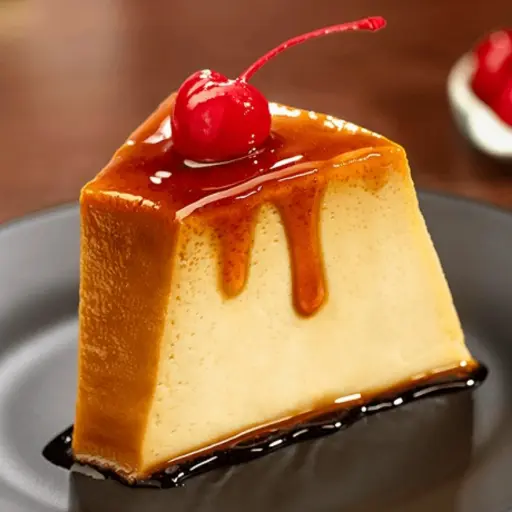
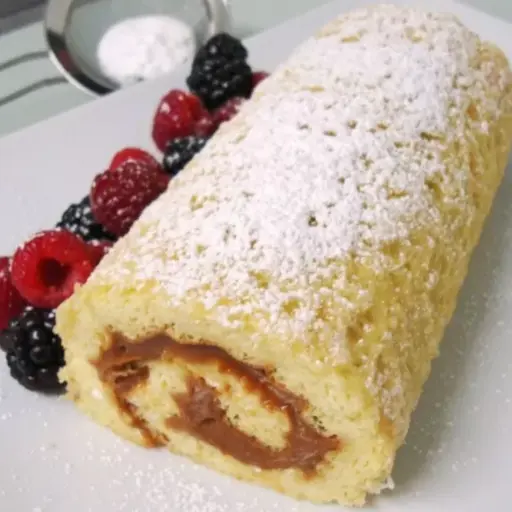
Food plays a key role in national pride. Celebrating with antojitos peruanos and traditional dishes is a way to bring history to the table.
Expressions like “contigo Perú” or “Casa Perú” evoke cultural identity beyond politics. If you’re in Utah, you can Order Authentic Peruvian Online from Se Llama Peru and enjoy a culinary journey that honors heritage.
Why is July 28 celebrated if independence wasn’t fully achieved until 1824?
The proclamation in 1821 marked Peru’s legal separation from Spain. Final military independence came with the battles of Junín and Ayacucho in 1824.
Why is this date politically important?
Governments used July 28 to reinforce national unity and state authority, making it the most emblematic day of Peru’s national identity.
Why do so many historical events fall on this date?
Throughout history, leaders intentionally aligned major political announcements with July 28 to amplify their symbolic power.
What are the official acts on this day?
Events include the flag raising, Te Deum Mass, Solemn Congress Session with the State of the Nation Address, and the Great Military Parade.
How can I learn about regional perspectives on independence?
Visit local museums and archives in Peru’s provinces, which highlight diverse stories often absent from the Lima‑centric narrative.
Celebrate July 28 with authentic flavors! Visit Se Llama Perú at 368 W Center St, Provo, UT 84601, and experience the cultural and culinary richness of Peru.
Follow us on social media and see why we are known as “THE BEST Peruvian Food in Salt Lake City.” Join our #SeLlamaPeru community and share your experience with us!
Enjoyed this article? Explore our blog for more on Peruvian culture, history, and cuisine. Learn, share, and connect with your roots!
$3.99-$7.99Rango de precios: desde $3.99 hasta $7.99
With its distinctive golden yellow color and irresistibly sweet flavor, Inca Kola is a beloved beverage that captures the essence of Peruvian culture. Made primarily with lemon verbena, each sip of this delicious drink is a refreshing burst of flavor that is sure to brighten your day.
The story of Se Llama Peru begins with its chef and owner, Luis Rodriguez. Rodriguez, born in Peru, followed the call of love to the United States nearly 50 years ago. He landed in Utah, where he faced initial challenges in his search for job opportunities, including rejection from Marriott due to lack of a college degree.