Peruvian cuisine is famous for its vibrant and complex flavors, and rocoto is one of the most prized ingredients in this culinary tradition. This spicy pepper not only stands out for its unique taste but also for its numerous health benefits. In this article, we will explore everything you need to know about the Peruvian rocoto: its benefits, how it is used in various dishes, sauces, and the different types found in Peru.
What is the Peruvian Rocoto?
Rocoto is a type of chili pepper native to the Peruvian Andes, recognized for its size, color, and spicy flavor. Unlike other types of peppers, rocoto has a meaty texture and a taste that combines heat with a slightly sweet undertone. It is primarily grown in the mountainous regions of Peru, such as Ayacucho, Cusco, and Arequipa.
This pepper is round, resembling a small apple, and its color can range from red to yellow and green. In Peruvian cuisine, rocoto is a key ingredient in many dishes, and its versatility makes it essential in the region’s gastronomy.
Benefits of Peruvian Rocoto
Rocoto is not only appreciated for its spicy flavor but also for the health benefits it offers. Some of the most notable benefits include:
Antioxidant properties: Thanks to its high vitamin C content, rocoto is excellent for boosting the immune system and combating free radicals that damage cells.
Improves blood circulation: The capsaicinoids in rocoto help improve circulation, which can contribute to better oxygenation of tissues and the prevention of cardiovascular issues.
Digestive properties: Rocoto is known for its positive effects on the digestive system, stimulating the production of gastric juices and improving digestion.
Pain relief: The capsaicin in rocoto has analgesic properties, making it useful for relieving certain types of muscle and joint pain when used topically.
Cholesterol control: Some studies suggest that the active compounds in rocoto may help reduce levels of bad cholesterol in the blood.
Peru is home to various rocoto varieties, each with its own characteristics. Below are the main types of rocoto found in Peru:
Red Rocoto
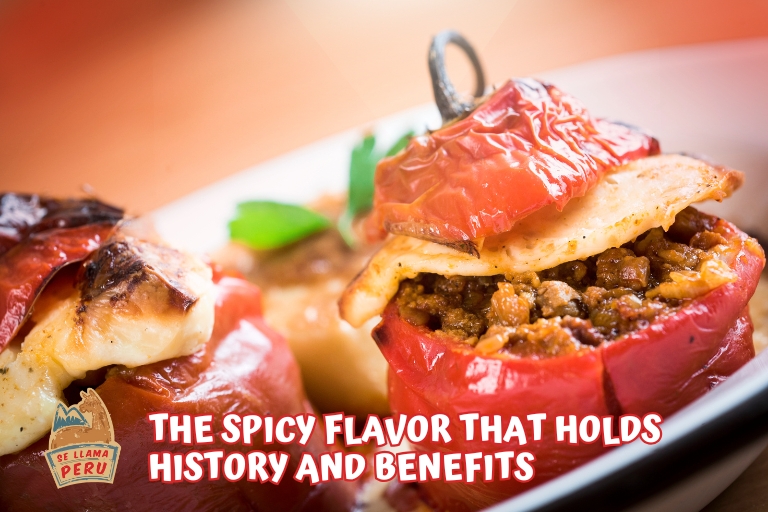
This is the most common type, and it is frequently used in sauces and traditional dishes like rocoto relleno. It has a strong spicy flavor and a distinctive aroma that makes it ideal for adding a special touch to Peruvian snacks (antojitos peruanos).
Yellow Rocoto
This type of rocoto has a milder taste compared to the red one, but it still retains a spicy kick. It is used in salads and lighter sauces as its sweet and sour flavor makes it an excellent companion for fresh dishes.
Green Rocoto
Green rocoto is less mature and has a more herbal flavor, with less heat than the red and yellow varieties. It is used in stews and dishes where a subtler flavor is desired but still delivers a delicious taste.
“Rocoto is not just an ingredient; it’s a bridge between the past and present, a touch of the land that transforms every dish into an act of connection with our roots.“
Peruvian rocoto is an essential ingredient in many dishes across the country. Below, we explore some of the most popular dishes that feature this delicious chili.
Rocoto Relleno (Stuffed Rocoto)
One of the most iconic dishes from Arequipa is rocoto relleno, which consists of red rocotos stuffed with minced meat, onions, cheese, and other ingredients. It is baked until the rocoto is well-cooked and usually served with potatoes or rice.
Rocoto Sauces
Rocoto is also used to make various sauces, such as the famous rocoto sauce, which accompanies many dishes. The sauce is made with rocoto, garlic, onions, vinegar, and other seasonings, and it is served alongside meats, fish, and Peruvian snacks.
Causa Rellena
This dish, made from mashed potatoes, combines rocoto to give it a spicy kick. The causa is stuffed with chicken or tuna and dressed with a rocoto sauce, creating a delicious and refreshing combination.
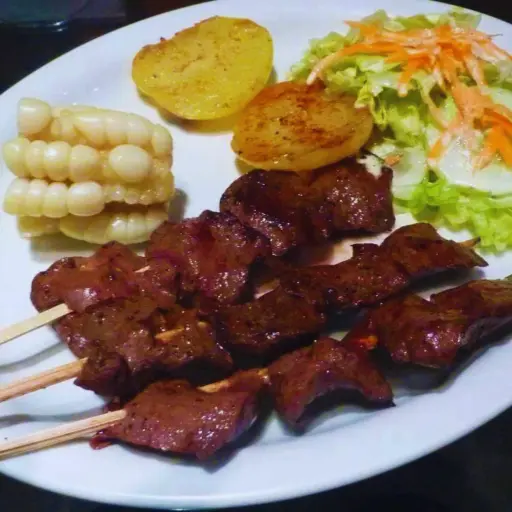
Anticuchos
Anticuchos, those delicious skewered meats, are often served with a rocoto-based sauce that enhances the flavor of the meat and adds an irresistible spicy touch.
If you want to incorporate rocoto into your dishes and take advantage of its flavor and benefits, here are some practical tips:
Handling the heat: If you find rocoto too spicy for your taste, you can remove the seeds and internal veins to reduce its intensity.
Use in moderation: Rocoto is potent, so be sure to use it sparingly in your recipes, especially if you’re not accustomed to spicy foods.
In sauces: Rocoto-based sauces are perfect for accompanying meats, potatoes, and fish. Experiment with different amounts of rocoto until you find the level of heat you prefer.
Storage: If you can’t consume fresh rocoto, you can store it in oil or turn it into a paste for later use in your dishes.
Yes, rocoto is quite spicy, especially the red variety. However, its intensity can vary depending on the type and preparation. If you’re sensitive to spice, it’s recommended to remove the seeds and veins from the rocoto to reduce its heat.
2. How should rocoto be stored?
Fresh rocoto should be stored in a cool, dry place. If you want to preserve it for longer, you can store it in vinegar or make it into a paste. Another option is to freeze it.
3. Can rocoto be eaten raw?
Yes, rocoto can be eaten raw, especially in sauces or as part of salads. However, make sure to remove the seeds and veins if you prefer a less spicy flavor.
4. What health benefits does rocoto offer?
Rocoto is rich in vitamin C, has antioxidant properties, helps with digestion, improves blood circulation, and can relieve muscle and joint pain. It also contains capsaicin, which may help reduce bad cholesterol levels.
5. In what typical Peruvian dishes is rocoto used?
Rocoto is essential in dishes like rocoto relleno, rocoto sauces, causa rellena, and anticuchos, among others.
Come enjoy the authentic flavors of Peru! Visit «Se Llama Perú» at 368 W Center St, Provo, UT 84601, and try our delicious dishes with rocoto that will make you feel at home in Casa Perú.
Hungry for more? Read our other articles and explore everything that Peruvian food has to offer. Your culinary journey continues!
Se Llama Perú
The story of Se Llama Peru begins with its chef and owner, Luis Rodriguez. Rodriguez, born in Peru, followed the call of love to the United States nearly 50 years ago. He landed in Utah, where he faced initial challenges in his search for job opportunities, including rejection from Marriott due to lack of a college degree.
The story of Se Llama Peru begins with its chef and owner, Luis Rodriguez. Rodriguez, born in Peru, followed the call of love to the United States nearly 50 years ago. He landed in Utah, where he faced initial challenges in his search for job opportunities, including rejection from Marriott due to lack of a college degree.
Trustindex verifies that the original source of the review is Google.
Food was incredible and the service even better! Will definitely come back 👌
Posted on
Caroline Sine
15 April 2026
Trustindex verifies that the original source of the review is Google.
fabulous restaurant!!! the waiter was so friendly and giving. the food was delicious. we had such a good time. will definitely be going back again.
Posted on
claira sine
15 April 2026
Trustindex verifies that the original source of the review is Google.
Super delicious!!
Posted on
Lucero valdivia paredes
7 April 2026
Trustindex verifies that the original source of the review is Google.
La comida es deliciosa, la atención perfecta 🤩
Posted on
Rosa Liliana Paredes Salinas
7 April 2026
Trustindex verifies that the original source of the review is Google.
La comida como en casa riquísimo .
Posted on
Heather Oxborrow
29 March 2026
Trustindex verifies that the original source of the review is Google.
The food was amazing and great service. The music was fun just pretty loud. We ordered family style and enjoyed it everything! We also got some inca cola - a must with Peruvian food. Great experience and look forward to coming again.
Posted on
Ashley Jefferies
28 March 2026
Trustindex verifies that the original source of the review is Google.
Authentic Peruvian food!! So good and took me right back... Everything has been good but we've particularly loved the ceviche!
Posted on
Joseph Hurtado
18 March 2026
Trustindex verifies that the original source of the review is Google.
Excellent Peruvian food, very authentic and they do a great job!
Trustindex verifies that the original source of the review is Google.
Food was incredible and the service even better! Will definitely come back 👌
Posted on
Caroline Sine
15 April 2026
Trustindex verifies that the original source of the review is Google.
fabulous restaurant!!! the waiter was so friendly and giving. the food was delicious. we had such a good time. will definitely be going back again.
Posted on
claira sine
15 April 2026
Trustindex verifies that the original source of the review is Google.
Super delicious!!
Posted on
Lucero valdivia paredes
7 April 2026
Trustindex verifies that the original source of the review is Google.
La comida es deliciosa, la atención perfecta 🤩
Posted on
Rosa Liliana Paredes Salinas
7 April 2026
Trustindex verifies that the original source of the review is Google.
La comida como en casa riquísimo .
Posted on
Heather Oxborrow
29 March 2026
Trustindex verifies that the original source of the review is Google.
The food was amazing and great service. The music was fun just pretty loud. We ordered family style and enjoyed it everything! We also got some inca cola - a must with Peruvian food. Great experience and look forward to coming again.
Posted on
Ashley Jefferies
28 March 2026
Trustindex verifies that the original source of the review is Google.
Authentic Peruvian food!! So good and took me right back... Everything has been good but we've particularly loved the ceviche!
Posted on
Joseph Hurtado
18 March 2026
Trustindex verifies that the original source of the review is Google.
Excellent Peruvian food, very authentic and they do a great job!
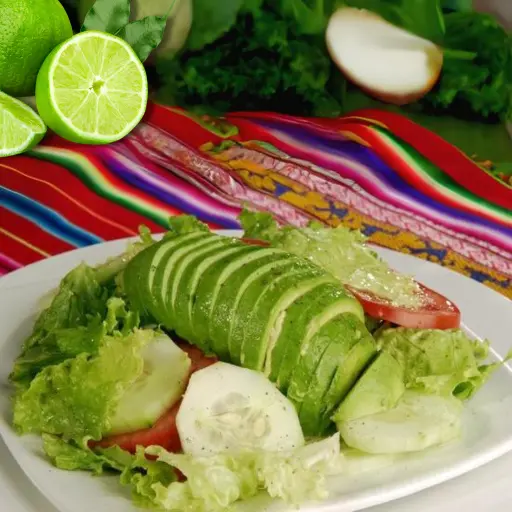
Fresh Lettuce and Tomato Salad takes the classic salad experience to new heights.
Papa a la Huancaina
$10.99
Tender boiled potatoes are elevated to new heights with a velvety feta cheese sauce infused with Huancaina spice.
Anticuchos
$12.99
Experience the bold flavors of Peru. Tender beef heart, marinated to perfection in a blend of spices.
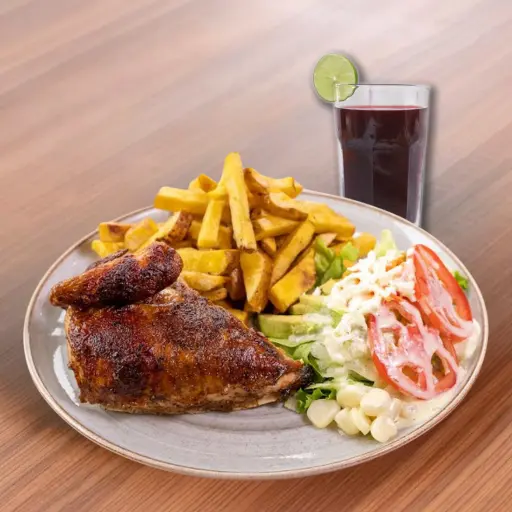
Pollo 1/4 a la brasa
$14.99
Indulge in the perfection of our 1/4 Rotisserie Chicken at Se Llama Perú.
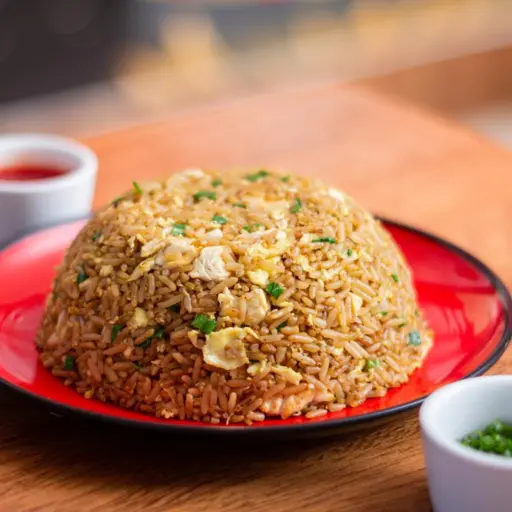
Arroz Chaufa
$16.99
Embark on a flavorful journey with our Arroz Chaufa at Se Llama Perú.
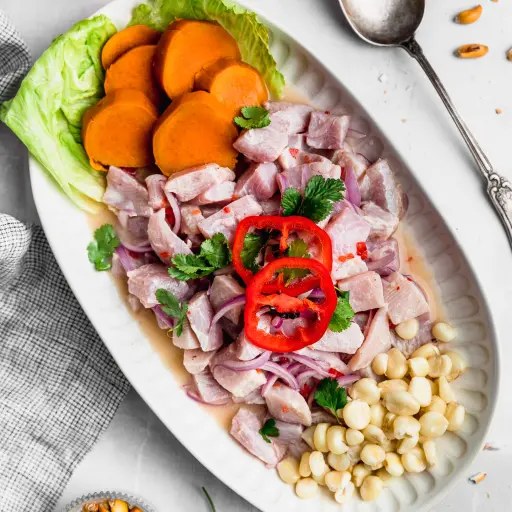
Ceviche
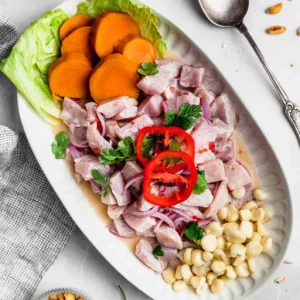
$18.99
Experience the refreshing burst of flavors with our Ceviche at Se Llama Perú.
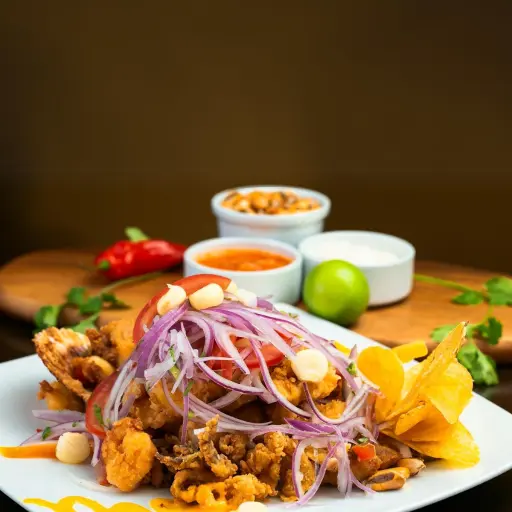
Jalea
$21.00
Delight in a crispy seafood symphony with our Jalea at Se Llama Perú.
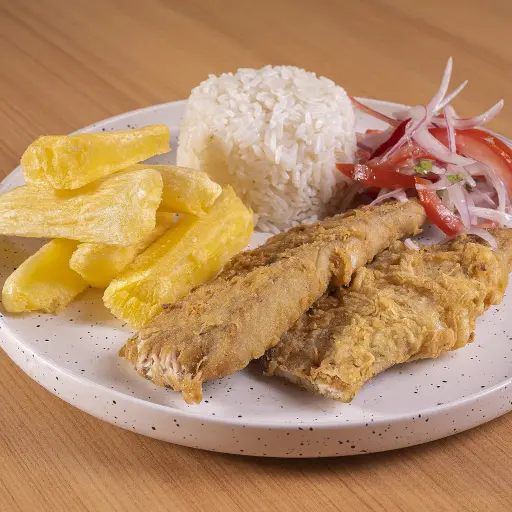
Pescado Frito
$18.99
Savor the simplicity of our Breaded Fried Fish at Se Llama Perú.
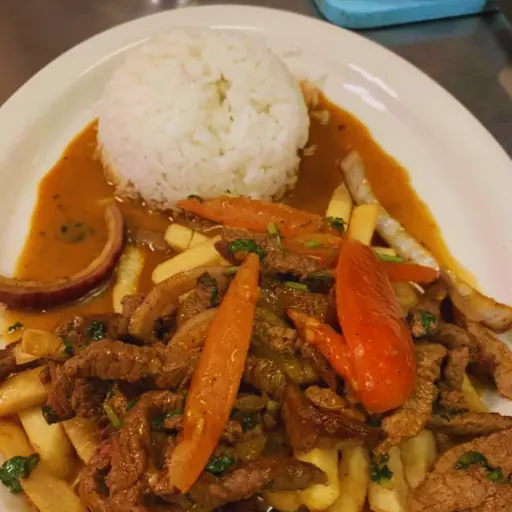
Lomo Saltado
$18.99
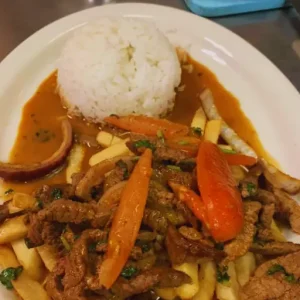
Succulent strips of steak expertly stir-fried with onions, tomatoes, and special seasonings.
Tallarin Verde
$20.99
Linguini lovingly sautéed in a creamy pesto sauce, creating a harmonious blend of herbs and cheese.
Ensalada de Lechuga y Tomate
$12.99
Fresh Lettuce and Tomato Salad takes the classic salad experience to new heights.
Papa a la Huancaina
$10.99
Tender boiled potatoes are elevated to new heights with a velvety feta cheese sauce infused with Huancaina spice.
Anticuchos
$12.99
Experience the bold flavors of Peru. Tender beef heart, marinated to perfection in a blend of spices.
Pollo 1/4 a la brasa
$14.99
Indulge in the perfection of our 1/4 Rotisserie Chicken at Se Llama Perú.
Arroz Chaufa
$16.99
Embark on a flavorful journey with our Arroz Chaufa at Se Llama Perú.
Ceviche
$18.99
Experience the refreshing burst of flavors with our Ceviche at Se Llama Perú.
Jalea
$21.00
Delight in a crispy seafood symphony with our Jalea at Se Llama Perú.
Pescado Frito
$18.99
Savor the simplicity of our Breaded Fried Fish at Se Llama Perú.
Lomo Saltado
$18.99
Succulent strips of steak expertly stir-fried with onions, tomatoes, and special seasonings.
Tallarin Verde
$20.99
Linguini lovingly sautéed in a creamy pesto sauce, creating a harmonious blend of herbs and cheese.
Welcome to Our Home
Behind our iconic sign in Downtown Provo lies a piece of the Andes. Since 2000, we have been welcoming the Utah community to experience the true warmth of Peruvian hospitality. Press play to take a quick tour of our dining room, feel the vibrant atmosphere, and see where Chef Luis creates his magic