A National Symbol of Identity
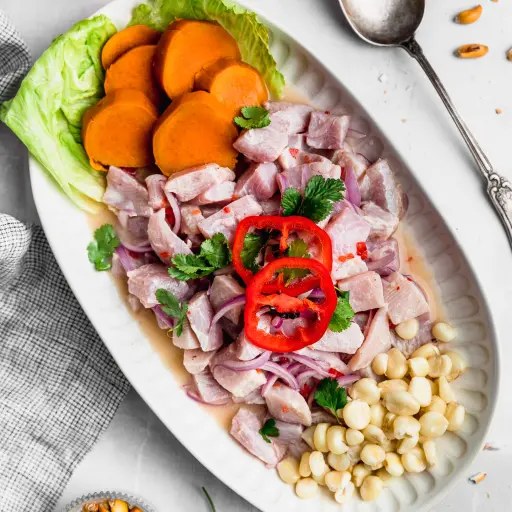
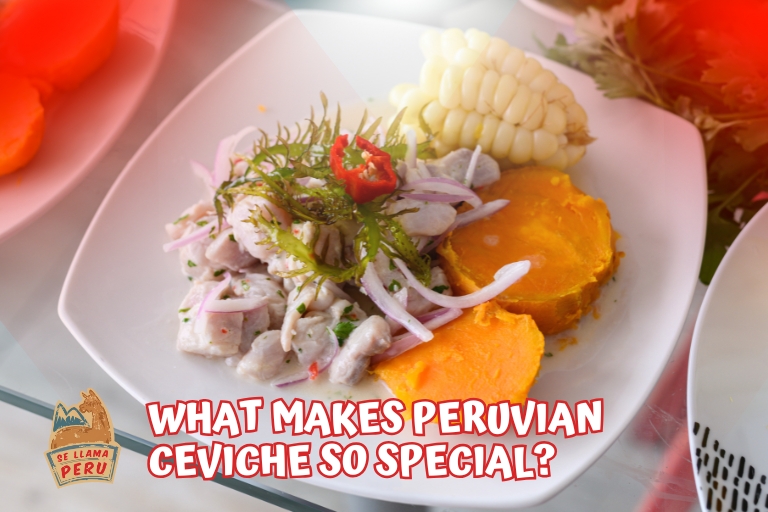
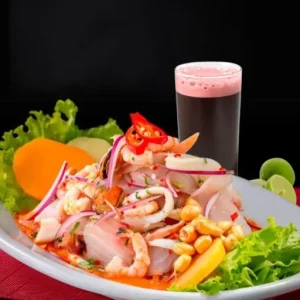
Ceviche is more than just a traditional Peruvian dish; it’s a national emblem that unites history, flavor, and cultural pride. Declared Cultural Heritage of the Nation, it showcases the marine diversity and culinary ingenuity of the Peruvian people.
More Than a Dish: A Living Cultural Legacy
From the Pacific coast to the most cosmopolitan cities around the world, ceviche has crossed borders while staying true to its essence. Each bite tells an ancient story.
You might also like: What dish pairs best with Chicha Morada?
Where Did Ceviche Come From?
Historically, it dates back to pre-Hispanic times, when the Mochica and Chimú cultures marinated fish in tumbo juice or fermented corn drink. With the arrival of the Spanish, new ingredients transformed the original recipe.

Pre-Hispanic and Colonial Influences
Chili peppers and citrus fruits have always been used, but the introduction of onions and Peruvian lime redefined the profile of modern ceviche. Also read: The History of Inca Kola
The Original Recipe: Sour Orange, Chili, and Fish
In the 19th century, ceviche was made with sour orange, salt, and chili. It had no side dishes and was a simple yet bold combination. Its evolution had only just begun.
The Evolution of Ceviche Through Time
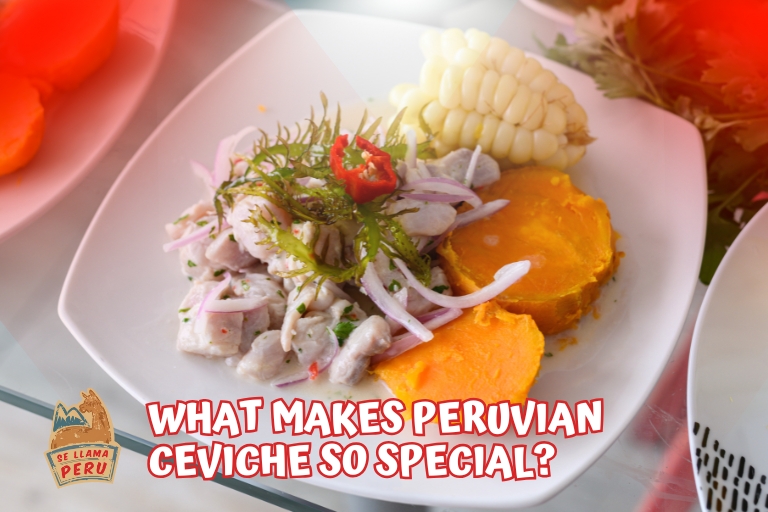
By the 20th century, ceviche had been reinvented with the addition of onions, sweet potatoes, corn, and toasted cancha. Lime replaced sour orange, and techniques were refined to enhance freshness and balance. You might also enjoy: 2025 Peruvian Gastronomic Calendar
Modern Ceviche: Five Ingredients, Endless Variations
Fresh white fish, lime, salt, chili, and red onion: a simple formula that has inspired countless regional and creative versions.
The Instant Ceviche Revolution of the 1980s
Thanks to restaurants like «El Ceviche del Rey,» the idea of freshly made ceviche gained popularity—served within minutes with vibrant flavors and maximum freshness.
What Makes It Authentically Peruvian?
It’s the respect for the ingredients, precise knife skills, and the perfect marination time. A delicate balance of acidity, freshness, and spice that reflects Peru’s culinary soul.
Key Ingredients: Peruvian Lime, Chili, and Fresh Fish
These three are non-negotiable. Peruvian lime has a unique acidity; chili brings heat and aroma; and fresh fish is the irreplaceable base. Don’t miss: Why is Inca Kola more delicious in a glass bottle?
Ceviche as an Emotional Experience
A perfectly prepared ceviche does more than nourish—it evokes emotion. Childhood memories, coastal scents, family meals. At Se Llama Perú, every ceviche is crafted to reconnect with your most cherished moments.
From the Heart of Chef Luis Rodríguez

“Ceviche is not just a dish—it’s our voice to the world, a tradition that speaks of who we are and what we love.“
Experience Ceviche at Se Llama Perú
Come and discover why this dish is one of Peru’s greatest culinary treasures. Enjoy it as it was meant to be: fresh, vibrant, and full of soul.
Visit us at:
368 W Center St, Provo, UT 84601
Reserve your table: 801-375-0275
Explore more: Homemade Salchipapa Recipe
You may also like: Discover Peruvian Summer from Utah
Frequently Asked Questions (FAQs)
No. While traditional ceviche uses white fish, there are versions made with seafood, octopus, shrimp, and even vegan alternatives.
Corvina, flounder, or any firm white fish works best. Freshness is key.
Between 5 to 15 minutes. Beyond that, the fish may become overcooked and lose its texture.
Absolutely! All you need are fresh ingredients, a sharp knife, and a reliable recipe.
Ideally at noon or as an appetizer during a special lunch. At Se Llama Perú, every moment is perfect for ceviche.