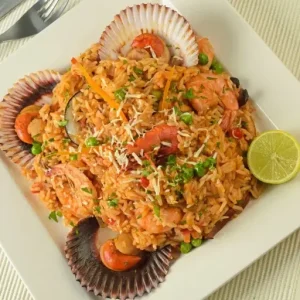
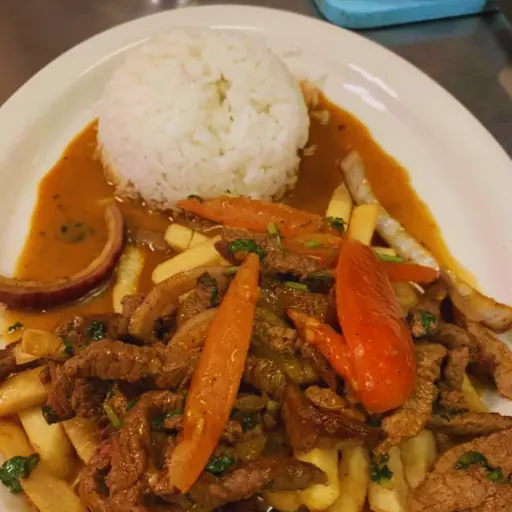
Seafood rice is much more than a traditional dish—it’s a tribute to the richness of the Peruvian sea, its people, and its traditions. Each bite carries centuries of culinary history and culture.
A Classic That Wins Hearts in Every Bite
With its mix of fluffy rice, fresh seafood, and flavorful seasoning, this dish has the power to win over hearts and palates. Perfect for family gatherings, special celebrations, or simply enjoying a memorable meal.
Its exact origin is unclear, but it’s known to be the result of deep cultural fusion. Rice came with the Spanish, seafood has always been part of our coast, and cooking techniques traveled from Asia and Italy before settling in Peruvian kitchens.
During colonial times, rice was enthusiastically adopted by Peruvians and became a staple in many iconic dishes like arroz chaufa and, of course, arroz con mariscos.
A Fusion of Cultures: Genoese, Cantonese, and Creole
This dish embodies the meeting of Italian risotto and Cantonese fried rice techniques. The result is a juicy, aromatic rice that’s deeply Peruvian.
A Love Story Behind the Flavor
Chef Gastón Acurio tells of a forbidden love between a Genoese girl and a Cantonese boy. Their union combined parmesan, soy sauce, and slow cooking, giving birth to a national icon.
The Power of Aji Amarillo and Aji Panca
Peruvian flavor wouldn’t be the same without its peppers. Aji amarillo brings color and sweetness, while aji panca adds depth and an irresistible smoky touch.
How the Dish Varies Across Peru
In the north, it’s green with cilantro, black scallops, and loche squash. In the south, it’s served with Arequipa-style shrimp. Each region adapts the recipe using its best local ingredients.
Key Ingredients That Make a Difference
Long grain rice, fish broth, white wine, onion, garlic, mixed seafood, aji peppers, and fresh cilantro. Every detail counts to achieve that unforgettable flavor.
Techniques for the Perfect Texture
Not too dry, not too soupy—the perfect texture depends on the broth ratio and type of rice. Seafood should be cooked al dente to preserve flavor and texture.
A great seasoning starts with onion, garlic, tomato, aji panca, and aji amarillo, cooked slowly into an aromatic paste. That’s the heart of seafood rice.
Perfect Pairing: What to Drink with It?
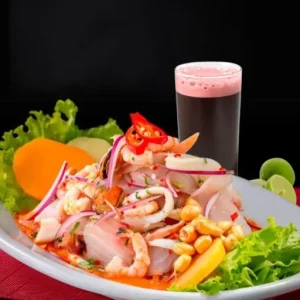
An ice-cold chicha morada or a glass bottle of Inca Kola are the best companions. The sweet and savory contrast enhances the dish.
From the Heart of Chef Luis Rodríguez
“Seafood rice has the power to bring the ocean to your table and unite generations in one dish. It’s flavor, memory, and identity.“
At Se Llama Perú, we serve this dish with the respect and passion it deserves. Every plate is an invitation to travel to the Peruvian coast—right from the heart of Utah.
Visit us at: 368 W Center St, Provo, UT 84601 Reserve your table: 801-375-0275
Frequently Asked Questions About Peruvian Seafood Rice (FAQs)
What seafood is typically used?
Mussels, squid, shrimp, scallops, and white fish are the most common.
Can it be made without spice?
Yes! You can adjust the amount of chili to your taste, though the mild heat is part of its traditional charm.
Is it hard to make?
It takes some care, but with fresh ingredients and patience, you can achieve an amazing result at home.
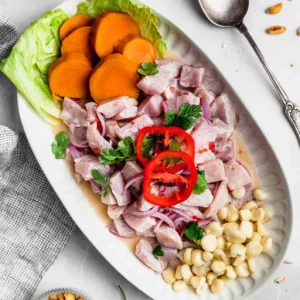
Can it be served with ceviche?
Absolutely! It’s a very popular combination in Peru, perfect for a full seafood lunch.
What makes it different from paella?
Peruvian seafood rice has more chili and cilantro, and it’s served moister. It has a unique, unmistakable flavor.
Se Llama Perú
The story of Se Llama Peru begins with its chef and owner, Luis Rodriguez. Rodriguez, born in Peru, followed the call of love to the United States nearly 50 years ago. He landed in Utah, where he faced initial challenges in his search for job opportunities, including rejection from Marriott due to lack of a college degree.
The story of Se Llama Peru begins with its chef and owner, Luis Rodriguez. Rodriguez, born in Peru, followed the call of love to the United States nearly 50 years ago. He landed in Utah, where he faced initial challenges in his search for job opportunities, including rejection from Marriott due to lack of a college degree.
Trustindex verifies that the original source of the review is Google.
Food was incredible and the service even better! Will definitely come back 👌
Posted on
Caroline Sine
15 April 2026
Trustindex verifies that the original source of the review is Google.
fabulous restaurant!!! the waiter was so friendly and giving. the food was delicious. we had such a good time. will definitely be going back again.
Posted on
claira sine
15 April 2026
Trustindex verifies that the original source of the review is Google.
Super delicious!!
Posted on
Lucero valdivia paredes
7 April 2026
Trustindex verifies that the original source of the review is Google.
La comida es deliciosa, la atención perfecta 🤩
Posted on
Rosa Liliana Paredes Salinas
7 April 2026
Trustindex verifies that the original source of the review is Google.
La comida como en casa riquísimo .
Posted on
Heather Oxborrow
29 March 2026
Trustindex verifies that the original source of the review is Google.
The food was amazing and great service. The music was fun just pretty loud. We ordered family style and enjoyed it everything! We also got some inca cola - a must with Peruvian food. Great experience and look forward to coming again.
Posted on
Ashley Jefferies
28 March 2026
Trustindex verifies that the original source of the review is Google.
Authentic Peruvian food!! So good and took me right back... Everything has been good but we've particularly loved the ceviche!
Posted on
Joseph Hurtado
18 March 2026
Trustindex verifies that the original source of the review is Google.
Excellent Peruvian food, very authentic and they do a great job!
Trustindex verifies that the original source of the review is Google.
Food was incredible and the service even better! Will definitely come back 👌
Posted on
Caroline Sine
15 April 2026
Trustindex verifies that the original source of the review is Google.
fabulous restaurant!!! the waiter was so friendly and giving. the food was delicious. we had such a good time. will definitely be going back again.
Posted on
claira sine
15 April 2026
Trustindex verifies that the original source of the review is Google.
Super delicious!!
Posted on
Lucero valdivia paredes
7 April 2026
Trustindex verifies that the original source of the review is Google.
La comida es deliciosa, la atención perfecta 🤩
Posted on
Rosa Liliana Paredes Salinas
7 April 2026
Trustindex verifies that the original source of the review is Google.
La comida como en casa riquísimo .
Posted on
Heather Oxborrow
29 March 2026
Trustindex verifies that the original source of the review is Google.
The food was amazing and great service. The music was fun just pretty loud. We ordered family style and enjoyed it everything! We also got some inca cola - a must with Peruvian food. Great experience and look forward to coming again.
Posted on
Ashley Jefferies
28 March 2026
Trustindex verifies that the original source of the review is Google.
Authentic Peruvian food!! So good and took me right back... Everything has been good but we've particularly loved the ceviche!
Posted on
Joseph Hurtado
18 March 2026
Trustindex verifies that the original source of the review is Google.
Excellent Peruvian food, very authentic and they do a great job!
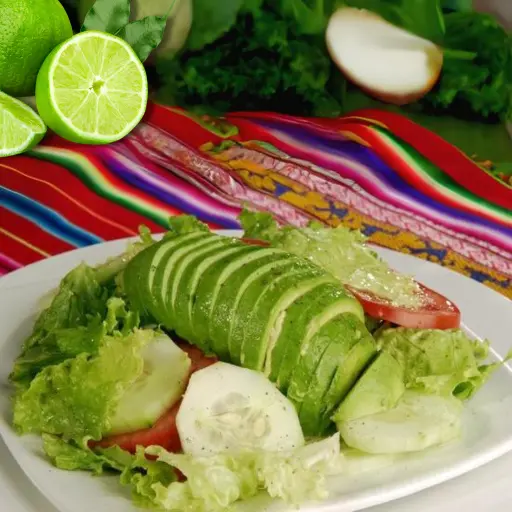
Fresh Lettuce and Tomato Salad takes the classic salad experience to new heights.
Papa a la Huancaina
$10.99
Tender boiled potatoes are elevated to new heights with a velvety feta cheese sauce infused with Huancaina spice.
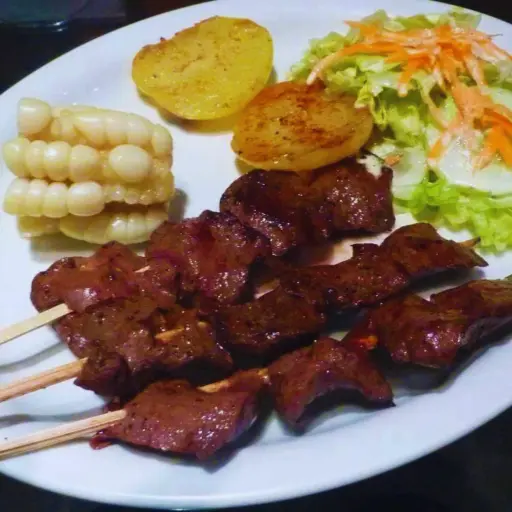
Anticuchos
$12.99
Experience the bold flavors of Peru. Tender beef heart, marinated to perfection in a blend of spices.
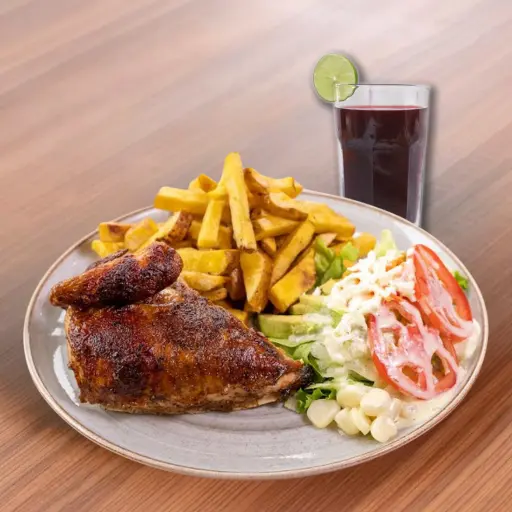
Pollo 1/4 a la brasa
$14.99
Indulge in the perfection of our 1/4 Rotisserie Chicken at Se Llama Perú.
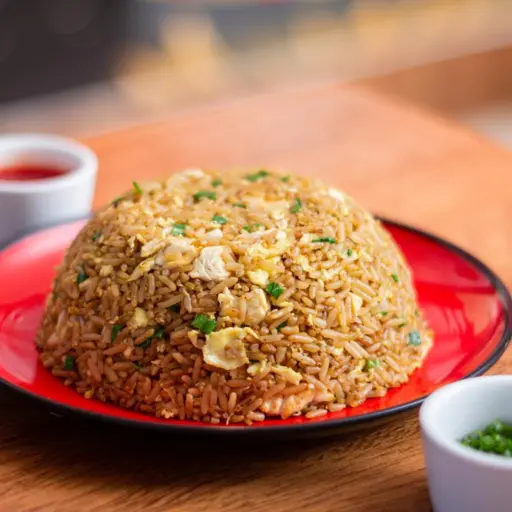
Arroz Chaufa
$16.99
Embark on a flavorful journey with our Arroz Chaufa at Se Llama Perú.
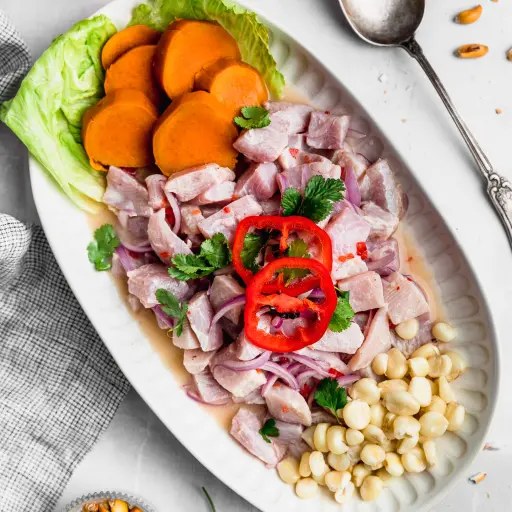
Ceviche
$18.99
Experience the refreshing burst of flavors with our Ceviche at Se Llama Perú.
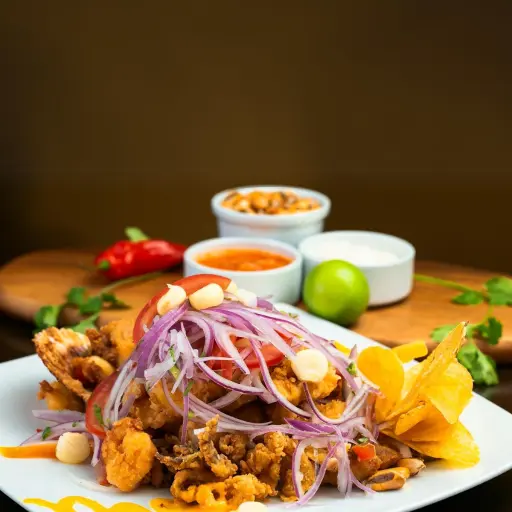
Jalea
$21.00
Delight in a crispy seafood symphony with our Jalea at Se Llama Perú.
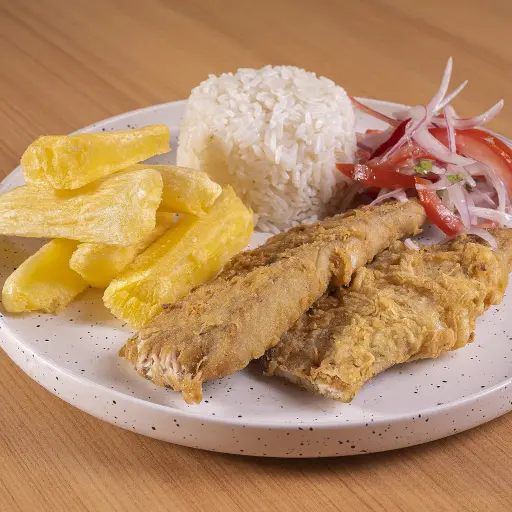
Pescado Frito
$18.99
Savor the simplicity of our Breaded Fried Fish at Se Llama Perú.
Lomo Saltado
$18.99
Succulent strips of steak expertly stir-fried with onions, tomatoes, and special seasonings.
Tallarin Verde
$20.99
Linguini lovingly sautéed in a creamy pesto sauce, creating a harmonious blend of herbs and cheese.
Ensalada de Lechuga y Tomate
$12.99
Fresh Lettuce and Tomato Salad takes the classic salad experience to new heights.
Papa a la Huancaina
$10.99
Tender boiled potatoes are elevated to new heights with a velvety feta cheese sauce infused with Huancaina spice.
Anticuchos
$12.99
Experience the bold flavors of Peru. Tender beef heart, marinated to perfection in a blend of spices.
Pollo 1/4 a la brasa
$14.99
Indulge in the perfection of our 1/4 Rotisserie Chicken at Se Llama Perú.
Arroz Chaufa
$16.99
Embark on a flavorful journey with our Arroz Chaufa at Se Llama Perú.
Ceviche
$18.99
Experience the refreshing burst of flavors with our Ceviche at Se Llama Perú.
Jalea
$21.00
Delight in a crispy seafood symphony with our Jalea at Se Llama Perú.
Pescado Frito
$18.99
Savor the simplicity of our Breaded Fried Fish at Se Llama Perú.
Lomo Saltado
$18.99
Succulent strips of steak expertly stir-fried with onions, tomatoes, and special seasonings.
Tallarin Verde
$20.99
Linguini lovingly sautéed in a creamy pesto sauce, creating a harmonious blend of herbs and cheese.
Welcome to Our Home
Behind our iconic sign in Downtown Provo lies a piece of the Andes. Since 2000, we have been welcoming the Utah community to experience the true warmth of Peruvian hospitality. Press play to take a quick tour of our dining room, feel the vibrant atmosphere, and see where Chef Luis creates his magic