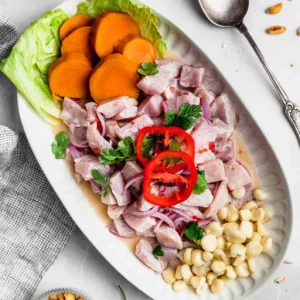
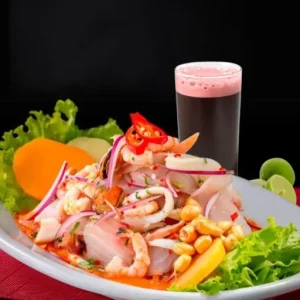
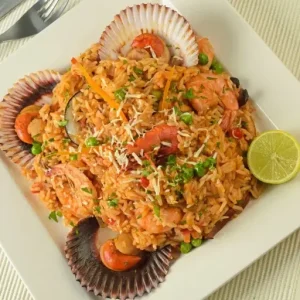
Holy Week is a time of deep spirituality for the Christian community, commemorating the passion, death, and resurrection of Jesus Christ. One of the most meaningful customs is abstaining from red meat, especially on Good Friday, choosing fish as an alternative. But where did this practice originate, and what makes it so special?
Origin of the Tradition
This custom has its roots in the Catholic Church, which promoted abstinence as a form of penance and sacrifice, in remembrance of Jesus’ sacrifice on the cross. Fish, being more modest and accessible than red meat, became the ideal food to maintain a spirit of simplicity and reflection during these sacred days.
Fish is not just a permitted food—it also carries powerful Christian symbolism. The Gospels tell of events like the multiplication of loaves and fish, and several of Jesus’ disciples—Peter, Andrew, John, and James—were fishermen by trade. Fish is closely tied to the life and mission of Christ.
Today, this tradition remains alive in many cultures. It’s common to prepare various seafood dishes during Holy Week, both as an act of faith and as an opportunity to gather and enjoy quality time with family. Peruvian cuisine, rich in ocean flavors, offers a unique way to honor this ancient custom.
Holy Week is a time to reconnect with our spiritual and cultural roots. At Se Llama Perú, located at 368 W Center St, Provo, UT 84601, we invite you to embrace this tradition through flavor. Our seafood dishes, prepared with the freshest ingredients and rich in history, are the perfect companion for these reflective days.
Book your table today: 801-375-0275
Frequently Asked Questions About Eating Fish During Holy Week
1. Is it mandatory for Christians to eat fish during Holy Week?
No, eating fish is not mandatory. The tradition encourages abstaining from red meat as an act of penance, but individuals can choose based on their beliefs and customs.
2. On which days should red meat be avoided during Holy Week?
Traditionally, red meat is avoided on Ash Wednesday and all Fridays of Lent, including Good Friday.
3. Why is fish considered a more humble option than red meat?
Historically, fish has been viewed as a more affordable and simple food, in contrast to red meat, which was associated with feasts and wealth.
4. Are there exceptions to the red meat abstinence during Holy Week?
Yes, in certain regions and circumstances, ecclesiastical authorities may grant exceptions, especially if abstinence causes significant hardship.
5. How has this tradition evolved in modern cuisine?
Modern culinary trends have introduced a wide variety of fish and seafood recipes, enriching the tradition and adapting it to contemporary tastes.
Se Llama Perú
The story of Se Llama Peru begins with its chef and owner, Luis Rodriguez. Rodriguez, born in Peru, followed the call of love to the United States nearly 50 years ago. He landed in Utah, where he faced initial challenges in his search for job opportunities, including rejection from Marriott due to lack of a college degree.
The story of Se Llama Peru begins with its chef and owner, Luis Rodriguez. Rodriguez, born in Peru, followed the call of love to the United States nearly 50 years ago. He landed in Utah, where he faced initial challenges in his search for job opportunities, including rejection from Marriott due to lack of a college degree.
Trustindex verifies that the original source of the review is Google.
Food was incredible and the service even better! Will definitely come back 👌
Posted on Google
Caroline Sine
15 April 2026
Trustindex verifies that the original source of the review is Google.
fabulous restaurant!!! the waiter was so friendly and giving. the food was delicious. we had such a good time. will definitely be going back again.
Posted on Google
claira sine
15 April 2026
Trustindex verifies that the original source of the review is Google.
Super delicious!!
Posted on Google
Lucero valdivia paredes
7 April 2026
Trustindex verifies that the original source of the review is Google.
La comida es deliciosa, la atención perfecta 🤩
Posted on Google
Rosa Liliana Paredes Salinas
7 April 2026
Trustindex verifies that the original source of the review is Google.
La comida como en casa riquísimo .
Posted on Google
Heather Oxborrow
29 March 2026
Trustindex verifies that the original source of the review is Google.
The food was amazing and great service. The music was fun just pretty loud. We ordered family style and enjoyed it everything! We also got some inca cola - a must with Peruvian food. Great experience and look forward to coming again.
Posted on Google
Ashley Jefferies
28 March 2026
Trustindex verifies that the original source of the review is Google.
Authentic Peruvian food!! So good and took me right back... Everything has been good but we've particularly loved the ceviche!
Posted on Google
Joseph Hurtado
18 March 2026
Trustindex verifies that the original source of the review is Google.
Excellent Peruvian food, very authentic and they do a great job!
Trustindex verifies that the original source of the review is Google.
Food was incredible and the service even better! Will definitely come back 👌
Posted on Google
Caroline Sine
15 April 2026
Trustindex verifies that the original source of the review is Google.
fabulous restaurant!!! the waiter was so friendly and giving. the food was delicious. we had such a good time. will definitely be going back again.
Posted on Google
claira sine
15 April 2026
Trustindex verifies that the original source of the review is Google.
Super delicious!!
Posted on Google
Lucero valdivia paredes
7 April 2026
Trustindex verifies that the original source of the review is Google.
La comida es deliciosa, la atención perfecta 🤩
Posted on Google
Rosa Liliana Paredes Salinas
7 April 2026
Trustindex verifies that the original source of the review is Google.
La comida como en casa riquísimo .
Posted on Google
Heather Oxborrow
29 March 2026
Trustindex verifies that the original source of the review is Google.
The food was amazing and great service. The music was fun just pretty loud. We ordered family style and enjoyed it everything! We also got some inca cola - a must with Peruvian food. Great experience and look forward to coming again.
Posted on Google
Ashley Jefferies
28 March 2026
Trustindex verifies that the original source of the review is Google.
Authentic Peruvian food!! So good and took me right back... Everything has been good but we've particularly loved the ceviche!
Posted on Google
Joseph Hurtado
18 March 2026
Trustindex verifies that the original source of the review is Google.
Excellent Peruvian food, very authentic and they do a great job!
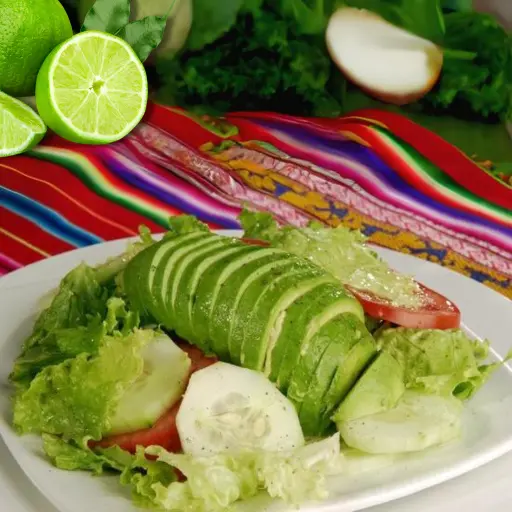
Fresh Lettuce and Tomato Salad takes the classic salad experience to new heights.
Papa a la Huancaina
$10.99
Tender boiled potatoes are elevated to new heights with a velvety feta cheese sauce infused with Huancaina spice.
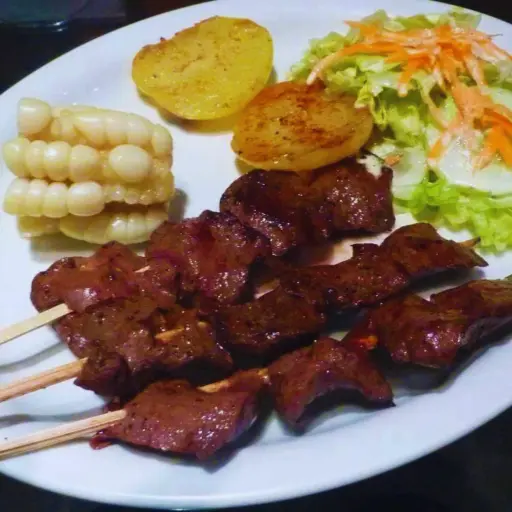
Anticuchos
$12.99
Experience the bold flavors of Peru. Tender beef heart, marinated to perfection in a blend of spices.
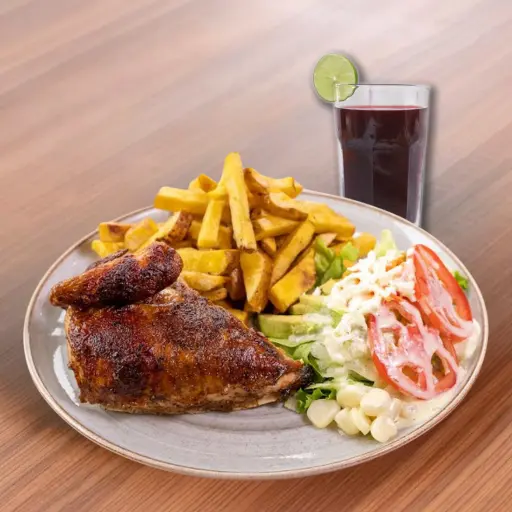
Pollo 1/4 a la brasa
$14.99
Indulge in the perfection of our 1/4 Rotisserie Chicken at Se Llama Perú.
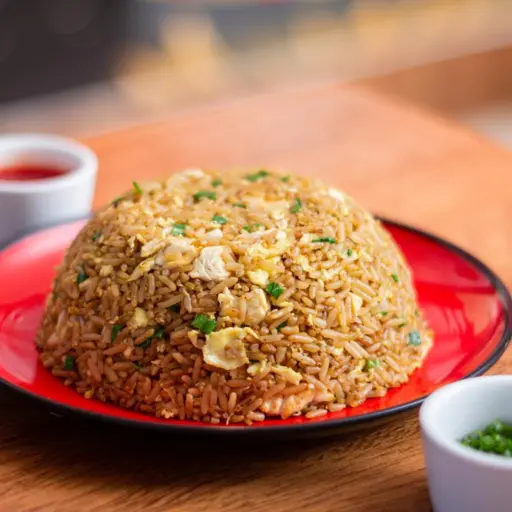
Arroz Chaufa
$16.99
Embark on a flavorful journey with our Arroz Chaufa at Se Llama Perú.
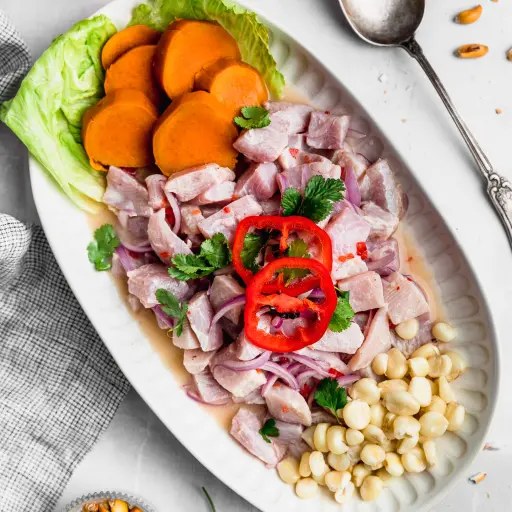
Ceviche
$18.99
Experience the refreshing burst of flavors with our Ceviche at Se Llama Perú.
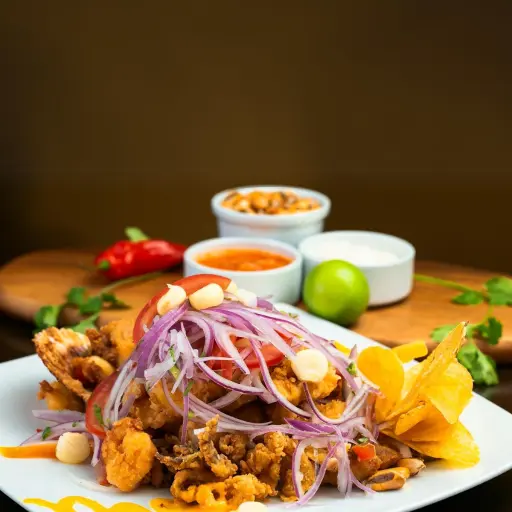
Jalea
$21.00
Delight in a crispy seafood symphony with our Jalea at Se Llama Perú.
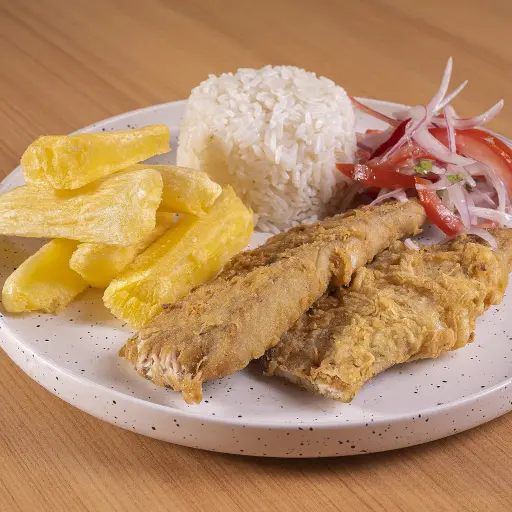
Pescado Frito
$18.99
Savor the simplicity of our Breaded Fried Fish at Se Llama Perú.
Lomo Saltado
$18.99
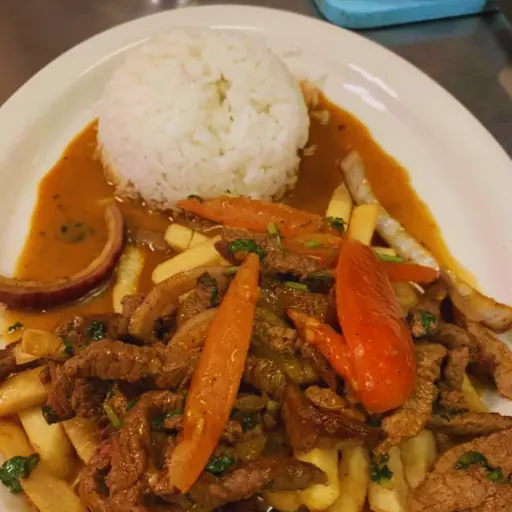
Succulent strips of steak expertly stir-fried with onions, tomatoes, and special seasonings.
Tallarin Verde
$20.99
Linguini lovingly sautéed in a creamy pesto sauce, creating a harmonious blend of herbs and cheese.
Ensalada de Lechuga y Tomate
$12.99
Fresh Lettuce and Tomato Salad takes the classic salad experience to new heights.
Papa a la Huancaina
$10.99
Tender boiled potatoes are elevated to new heights with a velvety feta cheese sauce infused with Huancaina spice.
Anticuchos
$12.99
Experience the bold flavors of Peru. Tender beef heart, marinated to perfection in a blend of spices.
Pollo 1/4 a la brasa
$14.99
Indulge in the perfection of our 1/4 Rotisserie Chicken at Se Llama Perú.
Arroz Chaufa
$16.99
Embark on a flavorful journey with our Arroz Chaufa at Se Llama Perú.
Ceviche
$18.99
Experience the refreshing burst of flavors with our Ceviche at Se Llama Perú.
Jalea
$21.00
Delight in a crispy seafood symphony with our Jalea at Se Llama Perú.
Pescado Frito
$18.99
Savor the simplicity of our Breaded Fried Fish at Se Llama Perú.
Lomo Saltado
$18.99
Succulent strips of steak expertly stir-fried with onions, tomatoes, and special seasonings.
Tallarin Verde
$20.99
Linguini lovingly sautéed in a creamy pesto sauce, creating a harmonious blend of herbs and cheese.
Welcome to Our Home
Behind our iconic sign in Downtown Provo lies a piece of the Andes. Since 2000, we have been welcoming the Utah community to experience the true warmth of Peruvian hospitality. Press play to take a quick tour of our dining room, feel the vibrant atmosphere, and see where Chef Luis creates his magic