Independence Day in the United States: History, Traditions, and Learning Resources
Table of Contents
The Fourth of July is far more than fireworks and parades. It marks one of the most iconic moments in U.S. history: the birth of an independent nation. Over the years, this date has evolved into a symbol of unity, patriotic reflection, and the celebration of freedom.
Why Is Independence Day Celebrated on July 4th?
The holiday’s roots trace back to the American Revolutionary War, where the Thirteen Colonies sought freedom from the British Crown. While independence was officially voted on July 2, 1776, it wasn’t until July 4th that the Declaration of Independence was formally adopted.
Written by Thomas Jefferson alongside John Adams, Benjamin Franklin, Robert R. Livingston, and Roger Sherman, this document was a formal statement of the colonies’ separation and marked the beginning of a nation founded on the ideals of liberty and equality.
The first Independence Day was celebrated in Philadelphia in 1777, featuring bonfires, fireworks, and ringing bells. In 1778, George Washington marked the day by issuing double rations of rum to his troops, honoring the newly formed country.
Traditions That Continue Today
From picnics and barbecues to baseball games and patriotic music, today’s celebrations are deeply rooted in those early commemorations. Fireworks light up the night sky while communities come together in red, white, and blue.
Three U.S. Presidents and Founding Fathers died on July 4th:
John Adams
Thomas Jefferson
James Monroe
Adams and Jefferson both passed away on the 50th anniversary of the Declaration in 1826—adding a poetic, almost mythical layer to the significance of the date.
The Declaration Wasn’t Signed All on July 4th
Contrary to popular belief, most delegates signed the Declaration weeks after it was adopted. Only John Hancock signed it on July 4th.
Modern Meaning: Patriotism and Critical Reflection
A Time to Celebrate—and Reflect
Independence Day is a moment to celebrate freedom, but also to evaluate how those freedoms are extended across society. The famous speech by Frederick Douglass, “What to the Slave Is the Fourth of July?” still resonates today as a powerful call to reflect on the real application of liberty.
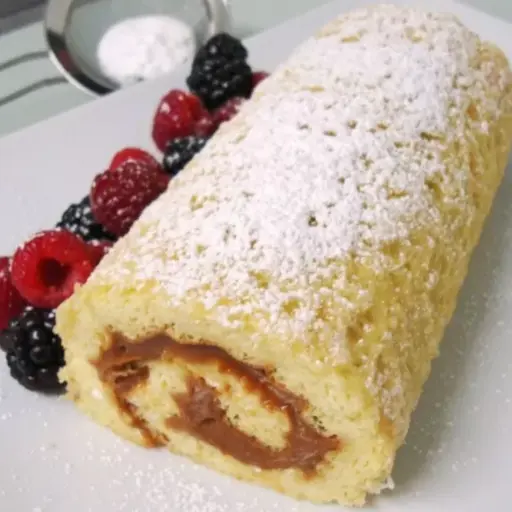
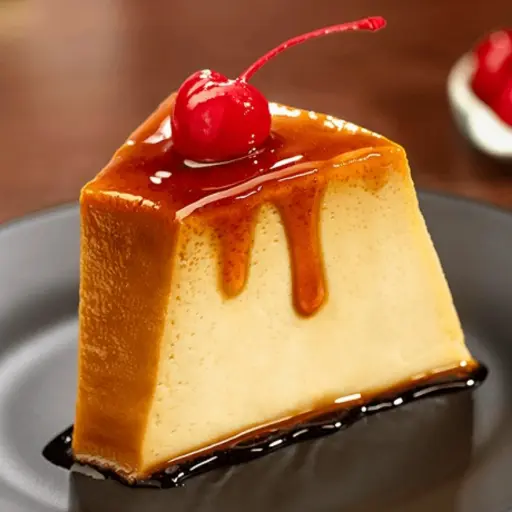
The Fourth of July is also a great opportunity to blend traditions. While enjoying hot dogs and apple pie, consider trying some antojitos peruanos for a new twist.
In cities like Salt Lake City and Provo, you can find spots that offer unforgettable culinary experiences. In that spirit, discover places that feel like a true Casa Peru, where food tells stories, and flavors evoke heritage. You can even Order Authentic Peruvian Online from Se Llama Peru, where every dish is crafted with passion and pride.
Frequently Asked Questions About U.S. Independence Day
1. Why is July 4th celebrated instead of July 2nd?
Although Congress voted for independence on July 2nd, the Declaration was officially adopted on July 4th, which is why it became the recognized holiday.
2. What traditions are tied to this day and how did they start?
Many traditions began in the 18th century: fireworks, bell-ringing, patriotic songs, parades, and family gatherings—all serving to honor the birth of the nation.
3. Why did three presidents die on July 4th?
It’s one of history’s notable coincidences. Adams, Jefferson, and Monroe all died on this date. The fact that Adams and Jefferson died on the 50th anniversary makes it particularly significant.
4. Where can I learn more or experience historical reenactments?
Philadelphia, Boston, and Washington, D.C., are top locations for Independence Day history. You can also explore museums, documentaries, and virtual exhibits online.
5. How is liberty viewed today in a modern context?
Many use this day to reflect on justice, equality, and civil rights—examining how well the country’s founding principles apply today to all citizens.
Calls to Action: Visit Se Llama Perú in Provo, Utah
🥘 Celebrate the Fourth of July with Peruvian soul! Visit us at Se Llama Perú, 368 W Center St, Provo, UT 84601, and experience a culinary journey through the heart of Peru. Every dish is a story worth savoring!
📱 Follow us on social media and discover why we’re known as “THE BEST Peruvian Food in Salt Lake City.” Join our #SeLlamaPeru community, tag us, and share your favorite dishes!
📚 Loved this article? Explore our blog for more on history, culture, and cuisine. Dive deeper and stay inspired!
$3.99-$7.99Rango de precios: desde $3.99 hasta $7.99
With its distinctive golden yellow color and irresistibly sweet flavor, Inca Kola is a beloved beverage that captures the essence of Peruvian culture. Made primarily with lemon verbena, each sip of this delicious drink is a refreshing burst of flavor that is sure to brighten your day.
The story of Se Llama Peru begins with its chef and owner, Luis Rodriguez. Rodriguez, born in Peru, followed the call of love to the United States nearly 50 years ago. He landed in Utah, where he faced initial challenges in his search for job opportunities, including rejection from Marriott due to lack of a college degree.