Peruvian food has conquered palates around the world and has received prestigious awards for its richness, diversity, and unique flavor. One of the main recognitions came when Peru was named «World’s Best Culinary Destination» at the World Travel Awards several years in a row. This distinction is due to the combination of native ingredients, ancient techniques, and the fusion of influences from various cultures that form the backbone of Peruvian cuisine.
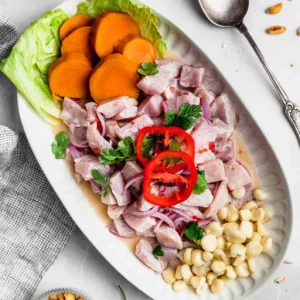
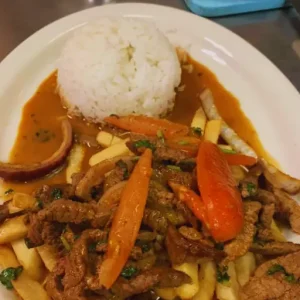
Dishes like ceviche, lomo saltado, papa a la huancaína, and anticuchos highlight the freshness of the ingredients and the complexity of their flavors, which blend salty, sour, and spicy elements harmoniously.
On the other hand, Mexican food also has a profound cultural richness. It was recognized as an Intangible Cultural Heritage of Humanity by UNESCO in 2010, highlighting not only its dishes but also the culinary traditions passed down from generation to generation. Mexican cuisine is known for its diversity, from tacos, enchiladas, tamales to the famous mole.
Mexico has been a pillar in creating intense, complex flavors that combine chiles, corn, beans, meats, and spices. Dishes like pozole, mole poblano, and tortillas are essential in the diet of millions of people around the world.
Although both countries share some similarities, such as the use of corn and chiles, their cuisines are very different in terms of ingredients, preparation techniques, and presentation. Here are some key differences:
1. Key Ingredients
Peruvian Cuisine: Potatoes are a central ingredient in Peruvian cuisine, with over 3,000 varieties. Other key ingredients include purple corn, quinoa, fresh fish and seafood (like ceviche), and a wide variety of ajiés (Peruvian chiles).
Mexican Cuisine: Corn is the base of most Mexican dishes, with tortillas and tamales being the most iconic. Chiles, beans, pork, and chicken play a prominent role in preparing dishes. Also, mole is one of the most complex and emblematic condiments in Mexican cooking.
2. Preparation Techniques
Peruvian Cuisine: Peruvian food stands out for its diverse techniques, including boiling, roasting, simmering, and raw preparations like ceviche, which is made with lemon’s acidity instead of heat.
Mexican Cuisine: Mexican food often involves more intense preparation techniques, with the frequent use of moles that require long cooking times, and an abundance of salsas made from chiles, often prepared in comales or molcajetes.
3. Flavors and Spices
Peruvian Cuisine: Peruvian flavors tend to be fresher and more balanced. The use of aji amarillo, lime, and fresh fish results in dishes that are light, fresh, and often spicy but with a more subtle kick.
Mexican Cuisine: Mexican flavors are more intense and complex. Chiles are the star, both in sauces and main dishes, and there is a balance between sweet, salty, and spicy.
4. Dish Presentation
Peruvian Cuisine: In Peruvian food, presentation plays an important role. Dishes like causa limeña or tiradito are as visually appealing as they are tasty, with vibrant colors and elaborate presentations.
Mexican Cuisine: Mexican food is more casual and focuses on abundance. Tacos, burritos, or tamales are usually served in generous portions and are perfect for sharing at gatherings and celebrations.
The answer to this question depends on each person’s personal taste. While Peruvian food stands out for its freshness, ingredient diversity, and the complexity of its flavors through its ajiés, Mexican food shines through its intense flavors, especially with chiles and moles.
Peruvian Food: Balanced Flavors and Freshness
If you’re a fan of fresh, light food with a diverse range of flavors, Peruvian cuisine might be the most appealing. Dishes like ceviche, causa, or lomo saltado are full of nuances and are perfect for those who seek a more balanced flavor experience.
Mexican Food: Intensity and Complex Flavors
If you prefer stronger, more complex flavors, Mexican cuisine might be the right choice. The use of chile, salsas, and various preparations of corn make Mexican food ideal for those who enjoy a good mole poblano, al pastor tacos, or a hearty enchilada full of sauce.
Frequently Asked Questions
1. What awards has Peruvian food won?
Peruvian food has been globally recognized, particularly for winning «World’s Best Culinary Destination» at the World Travel Awards, establishing it as one of the most innovative and flavorful cuisines in the world.
2. Why is Mexican food so popular?
Mexican food is popular due to its use of bold ingredients like chile, corn, and beans, as well as its variety of dishes, such as tacos, enchiladas, and mole, which have captivated global palates.
3. What is the main difference between Peruvian and Mexican food?
While Peruvian food is known for its freshness and balanced flavors, Mexican food stands out for its intense flavors, especially through the use of chiles and the preparation of moles.
4. What are the most recognized Peruvian dishes?
Some of the most globally recognized Peruvian dishes include ceviche, lomo saltado, causa limeña, and papa a la huancaína.
5. What is the most iconic Mexican dish?
The taco is considered one of the most iconic dishes in Mexican cuisine. However, mole poblano and tamales are also highly representative of Mexican gastronomy.
Visit «Se Llama Perú» and enjoy the best of Peruvian food: If you want to taste authentic Peruvian dishes, don’t miss the chance to visit us at 368 W Center St, Provo, UT 84601. We look forward to sharing the authentic flavors of Peru with you!
Follow us on social media for more culinary inspiration: Stay up-to-date with our latest recipes, special dishes, and news. Follow us on Instagram, Facebook, and Twitter to enjoy the best Peruvian food content.
Read more about Peruvian gastronomy on our blog: Discover more about Peru’s incredible cuisine and its global influence. Read more articles here.
Se Llama Perú
The story of Se Llama Peru begins with its chef and owner, Luis Rodriguez. Rodriguez, born in Peru, followed the call of love to the United States nearly 50 years ago. He landed in Utah, where he faced initial challenges in his search for job opportunities, including rejection from Marriott due to lack of a college degree.
The story of Se Llama Peru begins with its chef and owner, Luis Rodriguez. Rodriguez, born in Peru, followed the call of love to the United States nearly 50 years ago. He landed in Utah, where he faced initial challenges in his search for job opportunities, including rejection from Marriott due to lack of a college degree.
Trustindex verifies that the original source of the review is Google.
Food was incredible and the service even better! Will definitely come back 👌
Posted on
Caroline Sine
15 April 2026
Trustindex verifies that the original source of the review is Google.
fabulous restaurant!!! the waiter was so friendly and giving. the food was delicious. we had such a good time. will definitely be going back again.
Posted on
claira sine
15 April 2026
Trustindex verifies that the original source of the review is Google.
Super delicious!!
Posted on
Lucero valdivia paredes
7 April 2026
Trustindex verifies that the original source of the review is Google.
La comida es deliciosa, la atención perfecta 🤩
Posted on
Rosa Liliana Paredes Salinas
7 April 2026
Trustindex verifies that the original source of the review is Google.
La comida como en casa riquísimo .
Posted on
Heather Oxborrow
29 March 2026
Trustindex verifies that the original source of the review is Google.
The food was amazing and great service. The music was fun just pretty loud. We ordered family style and enjoyed it everything! We also got some inca cola - a must with Peruvian food. Great experience and look forward to coming again.
Posted on
Ashley Jefferies
28 March 2026
Trustindex verifies that the original source of the review is Google.
Authentic Peruvian food!! So good and took me right back... Everything has been good but we've particularly loved the ceviche!
Posted on
Joseph Hurtado
18 March 2026
Trustindex verifies that the original source of the review is Google.
Excellent Peruvian food, very authentic and they do a great job!
Trustindex verifies that the original source of the review is Google.
Food was incredible and the service even better! Will definitely come back 👌
Posted on
Caroline Sine
15 April 2026
Trustindex verifies that the original source of the review is Google.
fabulous restaurant!!! the waiter was so friendly and giving. the food was delicious. we had such a good time. will definitely be going back again.
Posted on
claira sine
15 April 2026
Trustindex verifies that the original source of the review is Google.
Super delicious!!
Posted on
Lucero valdivia paredes
7 April 2026
Trustindex verifies that the original source of the review is Google.
La comida es deliciosa, la atención perfecta 🤩
Posted on
Rosa Liliana Paredes Salinas
7 April 2026
Trustindex verifies that the original source of the review is Google.
La comida como en casa riquísimo .
Posted on
Heather Oxborrow
29 March 2026
Trustindex verifies that the original source of the review is Google.
The food was amazing and great service. The music was fun just pretty loud. We ordered family style and enjoyed it everything! We also got some inca cola - a must with Peruvian food. Great experience and look forward to coming again.
Posted on
Ashley Jefferies
28 March 2026
Trustindex verifies that the original source of the review is Google.
Authentic Peruvian food!! So good and took me right back... Everything has been good but we've particularly loved the ceviche!
Posted on
Joseph Hurtado
18 March 2026
Trustindex verifies that the original source of the review is Google.
Excellent Peruvian food, very authentic and they do a great job!
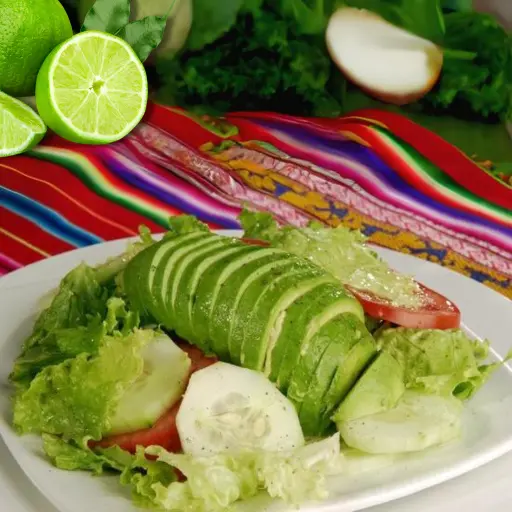
Fresh Lettuce and Tomato Salad takes the classic salad experience to new heights.
Papa a la Huancaina
$10.99
Tender boiled potatoes are elevated to new heights with a velvety feta cheese sauce infused with Huancaina spice.
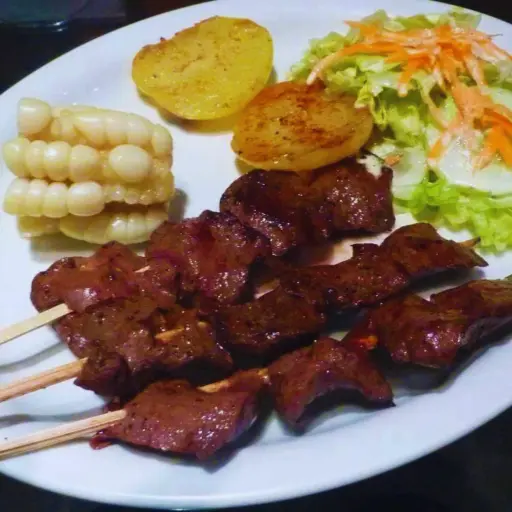
Anticuchos
$12.99
Experience the bold flavors of Peru. Tender beef heart, marinated to perfection in a blend of spices.
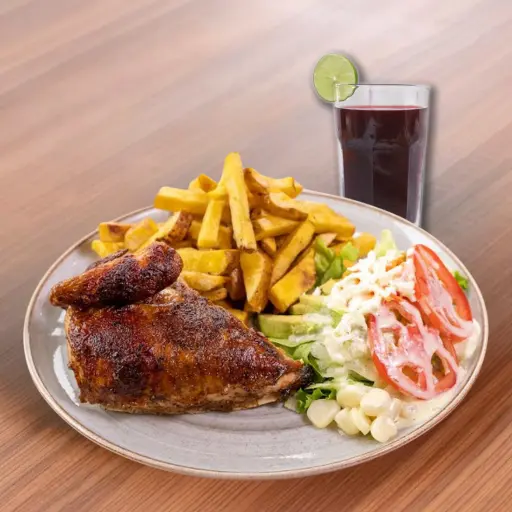
Pollo 1/4 a la brasa
$14.99
Indulge in the perfection of our 1/4 Rotisserie Chicken at Se Llama Perú.
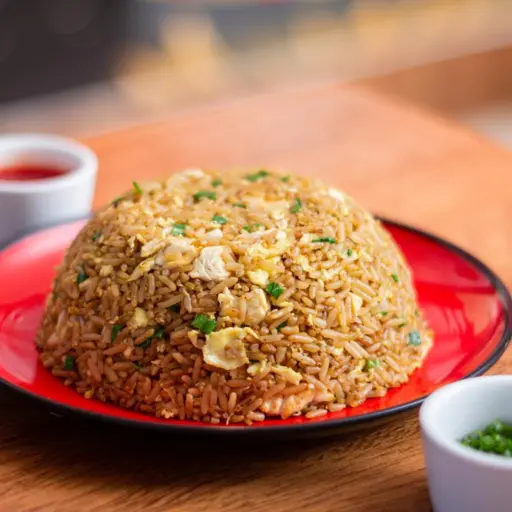
Arroz Chaufa
$16.99
Embark on a flavorful journey with our Arroz Chaufa at Se Llama Perú.
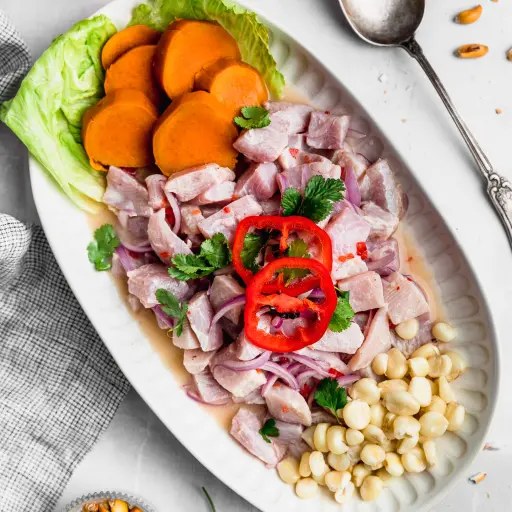
Ceviche
$18.99
Experience the refreshing burst of flavors with our Ceviche at Se Llama Perú.
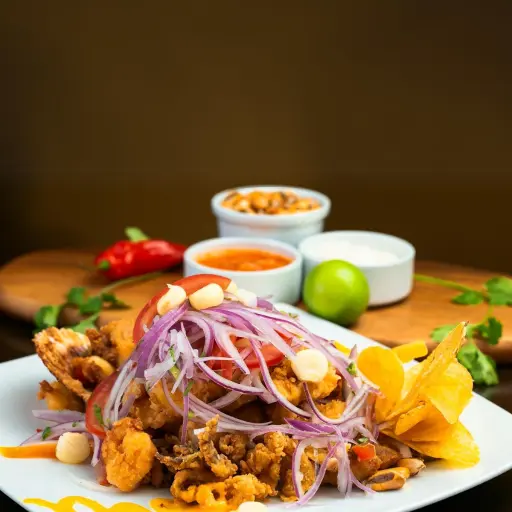
Jalea
$21.00
Delight in a crispy seafood symphony with our Jalea at Se Llama Perú.
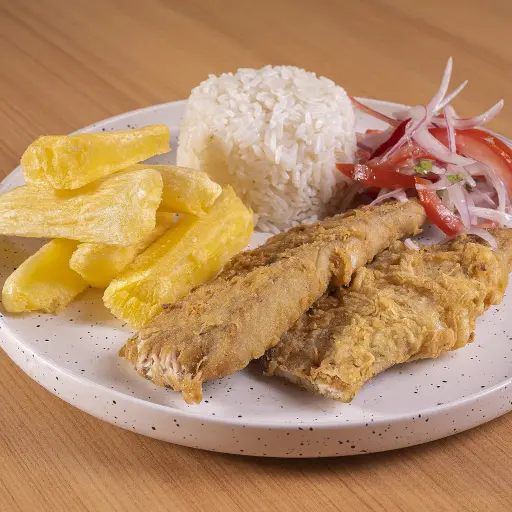
Pescado Frito
$18.99
Savor the simplicity of our Breaded Fried Fish at Se Llama Perú.
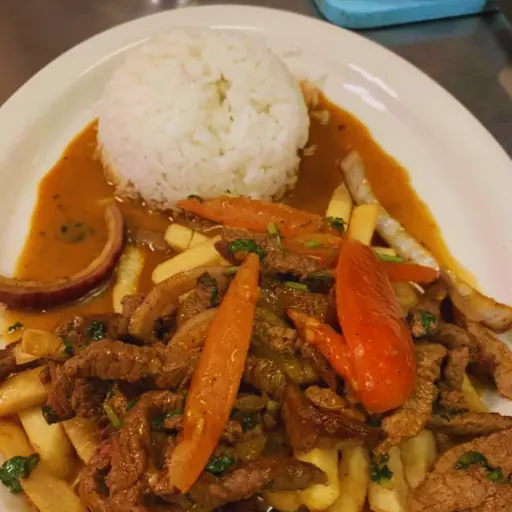
Lomo Saltado
$18.99
Succulent strips of steak expertly stir-fried with onions, tomatoes, and special seasonings.
Tallarin Verde
$20.99
Linguini lovingly sautéed in a creamy pesto sauce, creating a harmonious blend of herbs and cheese.
Ensalada de Lechuga y Tomate
$12.99
Fresh Lettuce and Tomato Salad takes the classic salad experience to new heights.
Papa a la Huancaina
$10.99
Tender boiled potatoes are elevated to new heights with a velvety feta cheese sauce infused with Huancaina spice.
Anticuchos
$12.99
Experience the bold flavors of Peru. Tender beef heart, marinated to perfection in a blend of spices.
Pollo 1/4 a la brasa
$14.99
Indulge in the perfection of our 1/4 Rotisserie Chicken at Se Llama Perú.
Arroz Chaufa
$16.99
Embark on a flavorful journey with our Arroz Chaufa at Se Llama Perú.
Ceviche
$18.99
Experience the refreshing burst of flavors with our Ceviche at Se Llama Perú.
Jalea
$21.00
Delight in a crispy seafood symphony with our Jalea at Se Llama Perú.
Pescado Frito
$18.99
Savor the simplicity of our Breaded Fried Fish at Se Llama Perú.
Lomo Saltado
$18.99
Succulent strips of steak expertly stir-fried with onions, tomatoes, and special seasonings.
Tallarin Verde
$20.99
Linguini lovingly sautéed in a creamy pesto sauce, creating a harmonious blend of herbs and cheese.
Welcome to Our Home
Behind our iconic sign in Downtown Provo lies a piece of the Andes. Since 2000, we have been welcoming the Utah community to experience the true warmth of Peruvian hospitality. Press play to take a quick tour of our dining room, feel the vibrant atmosphere, and see where Chef Luis creates his magic