The History of the Song “Y Se Llama Perú”: A Hymn of Identity, Pride, and Tradition
Table of Contents
Origin and Historical Context of “Y Se Llama Perú”
The song “Y Se Llama Perú”, composed by the renowned author Augusto Polo Campos, is one of the most profound and heartfelt musical expressions of Peruvian national pride. It emerged during a critical moment in the country’s history, under the military dictatorship of General Juan Velasco Alvarado in the 1970s. Peru was undergoing political and social transformation, seeking to reaffirm its identity and national pride.
President Velasco himself commissioned Polo Campos to write a song that would inspire Peruvians and encourage them during the 1974 World Cup qualifiers, especially amidst the historic football rivalry with Chile. Thus, a “musical poem” was born that speaks not only of geography and resources but of soul, culture, and the struggle for freedom.
The lyrics of “Y Se Llama Perú” are a true literary and musical masterpiece, using metaphors and symbols to paint a portrait of a country full of contrasts, history, and hope.
From the opening lines, the song poetically evokes the sacred relationship between Peruvians and their land and sea: “Harvesting my seas, planting my lands, I love my homeland more.” This beginning reflects the profound, symbiotic bond between the people and nature.
Each verse highlights vital aspects of Peru: its natural riches (fisheries, oil, agriculture), its history of resistance (breaking chains of slavery), and its ancestral identity (land of the Inca). The metaphor “the eternal snow is a flag of peace” connects the majesty of the Andes with the peace and serenity the country longs for.
The climax of the song is the acrostic of the word “PERÚ,” assigning patriotic values to each letter: – P for Patria (Homeland) – E for Ejemplo (Example) – R for Rifle (symbolizing defense and struggle) – U for Unión (Union)
This device emphasizes unity and strength, making it a hymn that transcends generations.
“And it’s called Peru, with P for homeland, E for example, R for rifle, U for union.”
“True identity is forged in shared memory, in roots that are sung, and in the soul that is never forgotten.“
Arturo ‘Zambo’ Cavero and Óscar Avilés: Voices that Immortalized Peruvian Identity
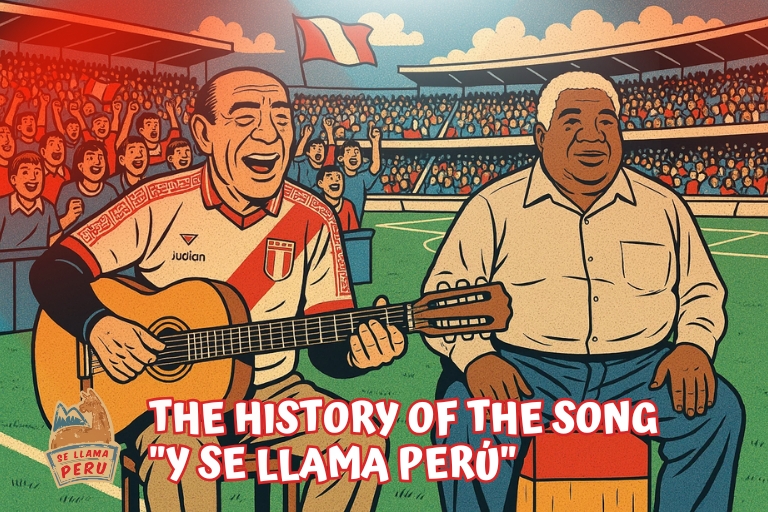
The unforgettable performance of the song by the iconic Creole singer Arturo ‘Zambo’ Cavero and the virtuoso guitarist Óscar Avilés was crucial to turning it into a national symbol. Cavero’s powerful, emotional voice paired with Avilés’ magical guitar gave the song an unmistakable spirit.
Their version has been sung and remembered in thousands of homes, schools, sporting events, and cultural festivals inside and outside Peru. Its impact was so strong that, in 2012, the Japanese Symphony Orchestra performed the song during the World Camp held in Peru, demonstrating its universal beauty and reach.
The Legacy of Augusto Polo Campos: A People’s Songwriter
Augusto Polo Campos, born in Ayacucho and raised in Lima, was a self-taught composer who developed exceptional talent in Creole music. His work is filled with anthems that passionately describe Peruvian customs, landscapes, and emotions.
Though he never formally learned to play an instrument, his ease with creating verses and melodies allowed him to become one of Peru’s most prolific and beloved composers. His work alongside great artists like Zambo Cavero, Jesús Vásquez, and Luis Abanto Morales is internationally recognized.
His songs, including “Y Se Llama Perú,” are celebrations of love for the homeland, expressed with pride and respect. Polo Campos’ legacy remains alive as inspiration for new generations seeking to connect with their roots.
The Song Today: Peruvian Identity Around the World
Today, “Y Se Llama Perú” continues to be a symbol of national identity and a reference point for Peruvians abroad, especially in communities like Salt Lake City, where Peruvians in Utah keep their culture alive through music, gastronomy, and traditions.
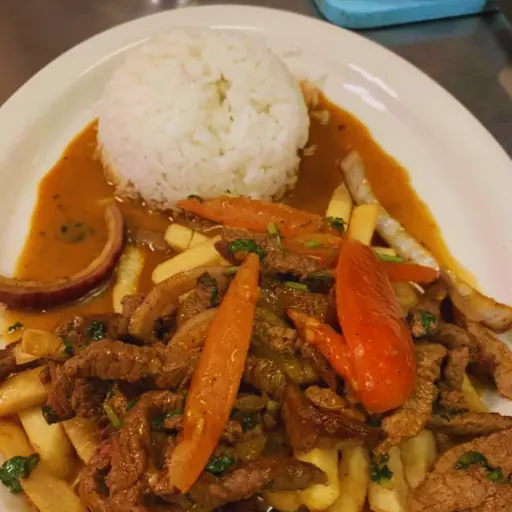
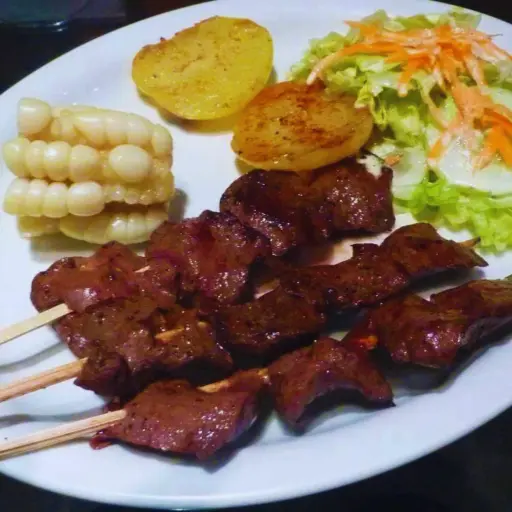
In places like Se Llama Perú, diners can enjoy antojitos peruanos and traditional dishes that carry the soul of this song, merging culinary experience with patriotic pride. Thanks to options to Order Authentic Peruvian Online, this cultural connection reaches more homes, spreading the love for Peru beyond its borders.
Tips for Those Wanting to Learn More About “Y Se Llama Perú”
Listen to different versions and performances to appreciate the richness of the song.
Research Augusto Polo Campos’ life and work to understand the context of his lyrics.
Attend cultural events or visit Peruvian restaurants like Se Llama Perú to live the full experience.
Learn about Peru’s history in the 1970s to appreciate the social and political message.
Explore other emblematic songs of Peruvian Creole music to broaden your knowledge.
Frequently Asked Questions about “Y Se Llama Perú”
Who composed “Y Se Llama Perú”?
It was composed by Augusto Polo Campos, an icon of Peruvian Creole music.
What is the main meaning of the song?
To celebrate love for the homeland, national unity, and Peru’s cultural and natural wealth.
Who popularized the song?
Arturo ‘Zambo’ Cavero, accompanied by Óscar Avilés’ guitar, gave it worldwide fame.
In what context was it created?
During Juan Velasco Alvarado’s military dictatorship in 1970, to inspire the country and support the national soccer team.
Where can I hear and experience this song today?
At authentic restaurants like Se Llama Perú, cultural events, and on digital platforms. It is also cherished by Peruvians living abroad.
The song “Y Se Llama Perú” is a true emblem of the Peruvian spirit, a hymn that unites and moves Peruvians worldwide. We invite you to experience this cultural and culinary journey at Se Llama Perú, located at 368 W Center St, Provo, UT 84601. Come savor THE BEST Peruvian Food in Salt Lake City, discover the authentic flavors of Casa Peru, and enjoy the magic of antojitos peruanos that accompany this great story. Follow us on social media for more cultural and gastronomic content, and explore our blog to keep discovering Peru contigo Peru.
$3.99-$7.99Rango de precios: desde $3.99 hasta $7.99
With its distinctive golden yellow color and irresistibly sweet flavor, Inca Kola is a beloved beverage that captures the essence of Peruvian culture. Made primarily with lemon verbena, each sip of this delicious drink is a refreshing burst of flavor that is sure to brighten your day.
The story of Se Llama Peru begins with its chef and owner, Luis Rodriguez. Rodriguez, born in Peru, followed the call of love to the United States nearly 50 years ago. He landed in Utah, where he faced initial challenges in his search for job opportunities, including rejection from Marriott due to lack of a college degree.